


Opening the Door to Digital Transformation with Loss Tracker
In today’s highly competitive manufacturing landscape, Digital Transformation (DX) has become the definitive key to survival and long-term growth. However, for many factories, terms like “Smart Factory” or “Industry 4.0” can feel like overwhelming and distant goals. This often leads to one critical question: “We want to start, but where do we begin?”
You May Also Like
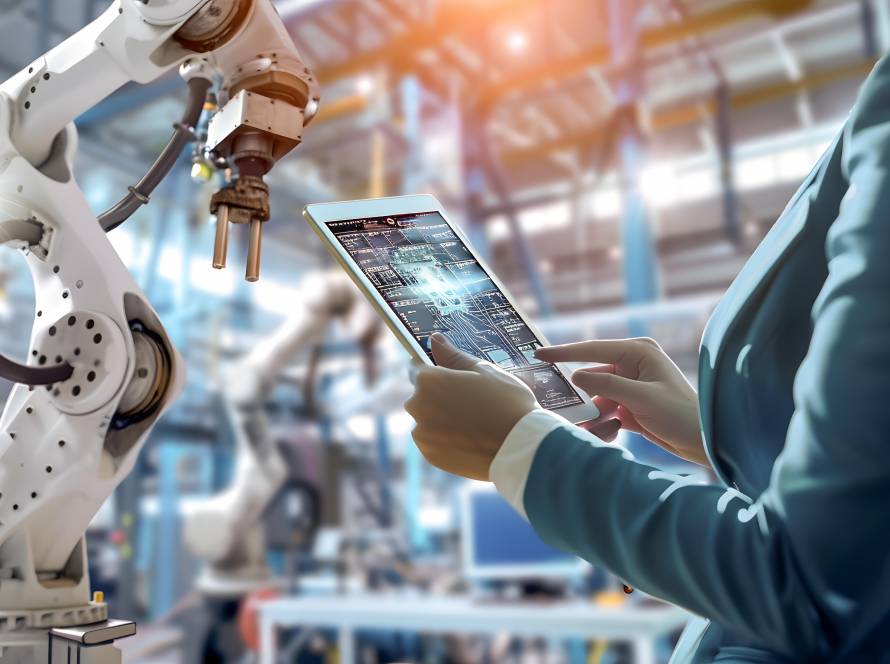
Oftentimes, the most significant transformations start with a single, powerful step. This article demonstrates that beginning your Digital Transformation journey doesn’t require massive upfront investments or overly complex changes. Instead, it can start by solving the most fundamental problem: gaining visibility into the “Losses” actually occurring on your production line.
Solwer invites you to explore how Digital Transformation and Loss Tracker—an advanced IoT tool—serve as more than just a production monitoring system. It is the “tangible first step” that opens the door to a world of Data-Driven Decision Making and provides the strongest foundation for your journey toward becoming a fully realized Smart Factory.

What is Digital Transformation?
Digital Transformation (DX) is the fundamental integration of technology to reshape business operations at their core. Its primary driver is the use of Data to power organizational decisions, enhance operational efficiency, and build a sustainable competitive advantage in the digital age.
Put simply, it is a complete business overhaul powered by technology. It is not merely about adopting new software but involves a profound shift in mindset and corporate culture.
The 4 Pillars of Digital Transformation
Digital Transformation is not a single action but a strategic process that can be categorized into four primary types, each focusing on a different dimension of change:
1. Process Transformation
This is the starting point and the most critical foundation of DX. It focuses on implementing technology to optimize internal workflows, making them faster, more efficient, and error-free.
The primary goal is to eliminate slow and wasteful manual and paper-based processes, replacing them with Automation and digital systems. A clear example is the shift from physical document approval—which requires hours or days of manual delivery—to a Document Management System. This allows for instant submission, tracking, and approval via smartphones or computers, significantly reducing lead times and the risk of lost data.
2. Business Model Transformation
This is a deep-seated change that focuses on using technology to “rethink and reinvent” how a company generates revenue and delivers value to customers.
Instead of just improving what already exists, this pillar creates entirely new ways of doing business. A classic example is Netflix, which transformed from a DVD rental store into an online streaming service using data analytics to curate content. Similarly, Grab revolutionized traditional taxi services. This level of transformation can create new market leaders and disrupt businesses that fail to adapt.
3. Domain Transformation
This involves leveraging an organization’s existing expertise and technology to expand into new markets or industries that were previously outside its scope.
Technology acts as a bridge to cross traditional boundaries. The most prominent example is Amazon, which started as an online bookstore (Retail) but used its expertise in data management and server infrastructure to become the world’s largest cloud computing provider via Amazon Web Services (AWS). Another example is airlines utilizing their customer travel data to venture into the travel insurance industry.
4. Cultural / Organizational Transformation
This focuses on people and mindset, which is the most challenging yet vital factor for long-term DX success. It involves building an organizational culture that embraces technology and is Data-Driven.
The best technology is meaningless if employees do not accept or utilize it to its full potential. This transformation aims to break down departmental Silos, encouraging cross-functional collaboration and information sharing. Most importantly, it fosters a Data-Driven Culture—where decisions are based on facts and insights rather than just intuition or personal experience. This allows the organization to learn, adapt, and evolve sustainably.
In summary, the right type of Digital Transformation depends on your industry, specific challenges, and customer needs. Often, the most successful organizations blend these four types to achieve holistic growth.
Why is Digital Transformation Important?
In an era where digital technology is woven into the fabric of daily life, Digital Transformation (DX) is no longer just an option—it is a critical strategy for the survival and growth of modern organizations. Its importance is rooted in three primary dimensions:
1. Customer Experience Enhancement
The core of modern competition is delivering the best possible experience. DX allows organizations to use technology to meet rising consumer expectations seamlessly. Whether it is developing faster, traceable ordering and delivery processes or implementing AI Chatbots to provide 24/7 instant support, these digital touchpoints build long-term brand loyalty and satisfaction.
2. Efficiency and Productivity Boost
Digital Transformation serves as a powerful engine to skyrocket organizational productivity. In the manufacturing sector, Automation and IoT reduce human error while increasing production speeds. Simultaneously, Data Analytics tools transform massive amounts of raw data into actionable Insights, allowing companies to sharpen their competitive strategies with pinpoint accuracy.
3. Cost Optimization
Shifting to digital allows organizations to control and eliminate unnecessary costs effectively. A prime example is Cloud Computing, which reduces the burden of heavy investment in expensive IT infrastructure and hardware. Furthermore, automating repetitive tasks frees up employees to focus on high-value, creative work, ultimately leading to higher revenue and business profitability.
Why Must the Manufacturing Sector Adapt to the Digital Era?
For manufacturers, digital adaptation is no longer a “choice”—it is a “necessity” to remain competitive in a rapidly evolving global market.
1. To Maximize Efficiency and Eliminate Hidden Costs
Traditional manufacturing is often riddled with Hidden Losses, such as minor stoppages or machines running below standard speeds. These are difficult to detect manually but result in massive cumulative costs. Implementing digital technologies like IoT sensors and data analytics provides real-time visibility into these issues, enabling precise fixes that reduce waste, minimize downtime, and boost overall production efficiency.
2. To Respond to Customers Better and Faster
Today’s customers demand complexity, precision, and speed. Digitally transformed factories use data to optimize production planning, track product status at every stage, and predict potential delays before they occur. This ensures high-quality delivery on schedule, resulting in maximum customer satisfaction.
3. To Make Sharper Decisions with Real-World Data
Traditional factory management often relies on the “gut feeling” or experience of managers, which isn’t always accurate. Digital Transformation shifts the paradigm to Data-Driven Decision Making. Executives can monitor real-time data via Dashboards to analyze investments, allocate manpower, and improve processes with total confidence.
4. For Survival and Disruption Prevention
With new competitors leveraging smart technology to build more efficient factories in less time, businesses that refuse to adapt face a high risk of losing market share. Digital transformation is the ultimate shield, preparing your business to grow sustainably and defend against industry disruption.
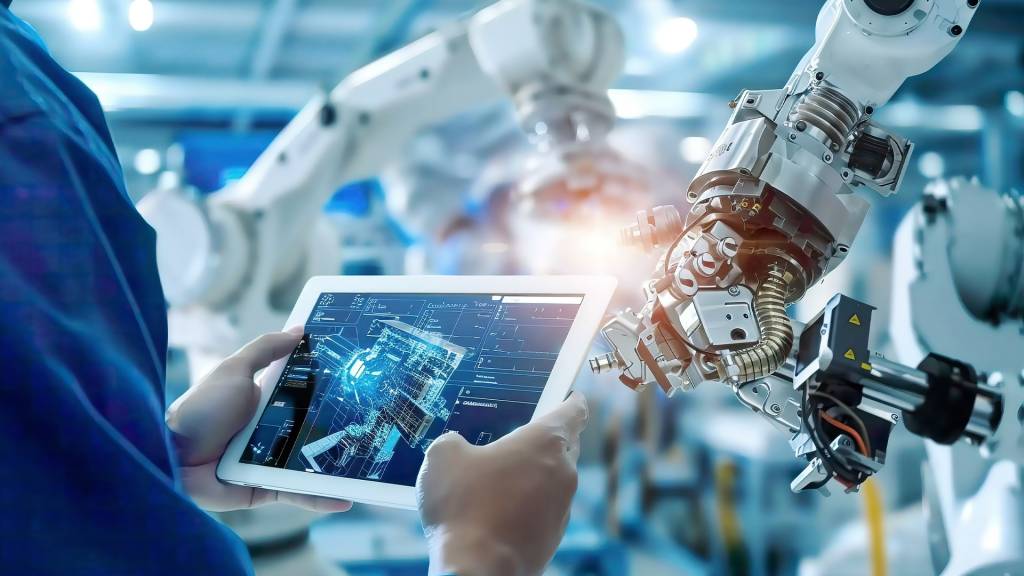
Loss Tracker: The "Tangible First Step" Toward Becoming a Smart Factory
The term “Smart Factory” often conjures images of vast, complex technologies—collaborative robotic arms, AI-driven predictive maintenance, or massive investments that feel out of reach for many manufacturers. This challenge leads many operators to ask: “Where do we even begin this massive transformation?”
The answer is simpler than you might think. The journey to a Smart Factory doesn’t start with an overnight structural overhaul. It begins with a “tangible first step”—gaining the ability to see and understand what is actually happening on your production line. This is the pivotal role of Loss Tracker.
What is Loss Tracker?
Loss Tracker by DENSO is an intelligent solution within the Lean Automation suite, designed to serve as the perfect bridge between “real-world floor data” and “improvement activities” (Kaizen). The core of this system is its ability to transform hidden, hard-to-see Losses into clear, measurable data, empowering teams to take rapid and precise corrective action.
At its heart, Loss Tracker utilizes Internet of Things (IoT) technology to connect directly to machinery. It automatically gathers operational data in real-time, replacing traditional manual logging and stopwatch timing, which are prone to Human Error and delays. Through this continuous and accurate data collection, Loss Tracker provides total transparency, revealing the true efficiency of your production line.
Loss Tracker: Your Gateway to Digital Transformation
Loss Tracker is a tool that enables organizations to execute Digital Transformation (DX) by converting intangible losses into “Digital Data” that drives real process improvements. The system operates through four simple yet powerful steps:
Step 1: Capture Loss at the Source
Principle: When a loss occurs—such as a machine stoppage, production bottleneck, or waiting for materials—floor staff can begin the recording process immediately.
Method: Instead of manual logs, operators use tablets or smartphones to scan QR Codes installed at the machine or workstation. This digitizes real-world (Analog) events right at the source.
Step 2: Identify and Categorize the Loss
Principle: After scanning the QR Code, the system displays a pre-configured list of “Loss Root Causes.”
Method: Staff simply select the cause (e.g., “Machine Failure,” “Waiting for Materials,” or “Quality Inspection”). This creates data standardization across the organization, eliminating ambiguity and ensuring data integrity.
Step 3: Automated Data Integration
Principle: Once the cause is identified, the system handles the rest automatically.
Method: Loss Tracker records critical data—start time, end time, total duration of the loss, and the root cause—into a centralized Cloud or Server database. This reduces operator workload and guarantees accuracy.
Step 4: Data Visualization and Analysis for Improvement
Principle: The ultimate goal of DX is to leverage gathered data for maximum benefit.
Method: All loss data is displayed on a Dashboard via intuitive charts, such as Pie Charts for problem distribution or Pareto Charts to highlight the “Vital Few” causes. This allows management to see the big picture quickly and make Data-Driven Decisions to optimize processes effectively.
Why is Loss Tracker the Perfect First Step?
1. Solves Tangible Problems with Immediate Results
Rather than starting with a massive, complex project, Loss Tracker focuses on the fundamental challenge every factory faces: Production Loss. The system provides instant feedback on machine stoppages or speed drops via the dashboard, leading to measurable, concrete improvements almost immediately.
2. A "Low Risk, High Return" Investment
Implementing Loss Tracker is straightforward compared to overhauling an entire ERP or Automation system. However, the impact is massive. Discovering and fixing even small Hidden Losses each day leads to significant Productivity gains and cost reductions, delivering a rapid Return on Investment (ROI).
3. Builds the Ultimate "Data Foundation"
The soul of a Smart Factory is Data. You cannot have an intelligent AI or autonomous system without accurate, reliable data about your own processes. Loss Tracker acts as the architect of that foundation. The Cycle Time, loss, and efficiency data collected automatically here are the premium “raw materials” for all future Digital Transformation projects.
In conclusion, Loss Tracker is more than a tracking tool; it is a strategic starting point that demystifies the path to becoming a Smart Factory. By starting with real-world problem-solving through real-time data, you take the most stable and critical first step into the new era of industry.
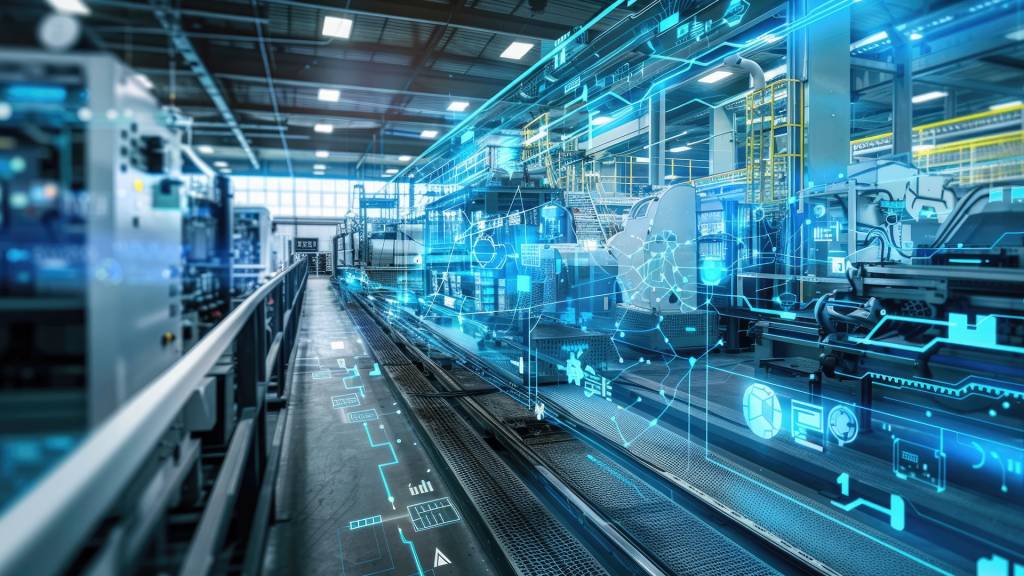
Why is Loss Tracker the Best Starting Point for Digital Transformation?
The journey to becoming a Smart Factory does not have to begin with large, complex projects. It can start with a single, powerful, and measurable step. Loss Tracker is the perfect answer for that first move, as it doesn’t just solve immediate issues—it lays the critical foundation for your factory’s future.
Key Benefits of Loss Tracker as Your Starting Point
Building a Strong Data Foundation: Loss Tracker collects “Real Data” from the production line. This data is the heartbeat and the most essential raw material for every future Digital Transformation project.
Rapid Return on Investment (ROI): By instantly identifying and fixing “Hidden Losses,” you can boost efficiency and cut costs quickly. This measurable success makes it much easier to secure approval for next-level technology investments.
Cultivating a Data-Driven Culture: It trains teams at every level to become familiar with using data for decision-making—an indispensable skill for any organization in the digital age.
Transitioning from traditional tracking methods based on guesswork to an intelligent tool like Loss Tracker is more than just a tech upgrade; it is a shift in organizational culture toward Data-Driven Improvement. This is the core engine that will help your factory reduce costs, increase efficiency, and build a sustainable competitive advantage.

into Productivity
industrial experts.
Reference
- Digital Transformation คืออะไร สำคัญอย่างไรต่อองค์กรในปี 2024 – Ditto
- LOSS TRACKER – KAIZEN Tools จาก DENSO – Sumipol
- เชื่อมข้อมูลเพื่อโรงงานอัจฉริยะ : ลดต้นทุน เพิ่มกำไร ด้วยระบบ Loss Tracker
- https://www.facebook.com/photo.php?fbid=122213128730094866&set=pb.61552845993585.-2207520000&type=3