


Why Lean Remains Critical in the Digital Era ?
In a digital landscape where speed and innovation define the competition, maximizing operational efficiency and waste elimination is more vital than ever. Lean methodology remains a powerhouse tool, even in a world driven by connectivity and big data. Achieving success now hinges on continuous process improvement, end-to-end workflow visibility, and data-driven decision-making.
You May Also Like

This is where Solwer empowers digital enterprises. By integrating Lean principles with Automation, IoT, and Data-Driven tools, we provide the clarity needed to visualize actual processes, strip away waste, and deliver genuine customer value.
Explore how Lean retains its dominance in the digital age and how Solwer optimizes your organization’s Lean implementation for maximum impact.

Lean in the Digital Context
Defining Lean Management
Lean is a strategic management philosophy focused on the relentless elimination of waste across every operational layer. Any activity, resource, or process that fails to deliver customer value is either optimized or eliminated. The result? A decisive edge in cost efficiency, quality control, and operational speed.
The core principles of Lean are rooted in the Toyota Production System (TPS), built upon five critical pillars:
- Just-in-Time (JIT): Perfecting flow and timing.
- Kaizen: Driving continuous improvement at every level.
- Waste Elimination: Stripping away non-value-added activities.
- Customer Value: Aligning every process with market needs.
- Operational Excellence: Maximizing output through streamlined workflows.
Ready to master Lean? Download our Comprehensive E-Book Now!

into Productivity
industrial experts.
Traditional Lean vs. Digital Lean
- From Shop Floor to Digital Ecosystem: Historically, Lean was engineered for Industrial Manufacturing—focusing on physical raw materials and finished goods. Today, we have evolved into “Lean Digital.” This modern approach leverages Digital Integration—including Real-time Data, Automation, and Advanced Analytics—to supercharge Lean efficiency.
- Visualizing the Invisible Waste: While Traditional Lean targets tangible waste like Excess Inventory, Overproduction, and Defects, Digital Lean exposes “Hidden Waste.” This includes Data Redundancy, Digital Workflow Latency, and inefficient Manual Processes that often bottleneck software development, service sectors, and tech-heavy enterprises.
Evolution: From the Factory Floor to Software and Tech Enterprises
Lean has transcended the manufacturing plant. It has evolved into Lean Software Development, a strategic framework designed for the digital age. By translating core Lean principles into the software lifecycle, organizations can eliminate redundant tasks, accelerate deployment velocity, and ensure the continuous delivery of high-impact customer value.
Furthermore, the Lean Startup methodology—now a gold standard for agile enterprises—is deeply rooted in these same principles. By prioritizing Resource Efficiency, launching Minimum Viable Products (MVP), and embracing a cycle of Rapid Learning and Iteration, businesses can navigate high-uncertainty markets with a decisive edge and unmatched responsiveness to change.
Core Challenges in the Digital Era: How Lean Delivers the Solution
1. Uncovering Hidden Costs
In the digital era, organizations adopt multiple systems like ERP, CRM, Workflow Tools, and Cloud Platforms, alongside isolated internal apps. This unintentionally creates massive operational complexity.
The Root Causes of System Complexity
- Duplicate Data: Information stored in multiple locations.
- Data Inconsistency: Updates are not synchronized.
- System Overlap: Multiple platforms doing the same job.
- Context Switching: Employees constantly jumping between screens.
- Lack of Standardization: Inconsistent workflows across teams.
These create off-budget Hidden Costs and unnecessary Waste (Muda), resulting in:
- Increased Work Time.
- Data Errors caused by inconsistencies.
- Unnecessary Licensing Fees.
- Unnecessary Maintenance Costs.
The Lean Solution: Uncovering & Eliminating Waste
Lean champions absolute Process Visualization. By leveraging tools like Value Stream Mapping (VSM), organizations can forensically examine every operational step to clearly separate Value-Added activities from Waste (Muda).
Implementing Lean empowers your business to:
- Map Redundant Workflows: Identify and expose overlapping processes.
- Eliminate Non-Value-Added Steps: Strip away unnecessary operational bottlenecks.
- Consolidate Tech Stacks: Merge or retire overlapping digital systems.
- Eradicate Information Waste: Visualize and purge excess or disconnected data.
- Establish Standardized Work: Create unified, cross-functional operational baselines for all teams.
The Decisive Edge: Unlocking unprecedented cost reductions. By adopting this framework, organizations can drastically slash invisible overhead—eliminating Wasted Time, redundant System Costs, and critical Data Defects.
2. Duplication of Work
Despite using digital systems, many organizations remain stuck in legacy workflows, resulting in:
- Repetitive Data Entry: Entering the same data across multiple forms.
- Redundant Approvals: Sending endless confirmation emails.
- Over-Inspection: Multiple teams reviewing the same document.
Unnecessary Rework: Duplicating tasks already completed by another team.
The Impact of Duplicated Work
- Time wasted on Non-Value-Added (NVA) tasks.
- Slower execution and increased Cycle Time.
- Artificially inflated Workloads.
- Team Burnout and low morale from stalled progress.
- Inconsistent Output Quality.
The Lean Solution
Lean optimizes processes to create a Streamlined Flow by questioning every task:
- Purpose: Why are we doing this?
- Necessity: Is it truly required?
- Ownership: Who should do it?
- Efficiency: Can it be done once and utilized downstream?
Effective Lean Tools for this include:
- Kaizen: Driving continuous improvement.
- Standardized Work: Setting unified protocols to prevent duplicated efforts.
- 5 Whys: Identifying the root causes of redundant steps.
The Result: A simplified workflow, faster execution, and a massive reduction in Non-Value-Added (NVA) tasks.
3. Process Delays & Bottlenecks
In the digital era, having more systems does not guarantee faster execution. Often, complex tools create unexpected operational drag.
Digital Era Bottlenecks
- Excessive Approvals: Multi-layered authorization chains.
- System Handoffs: Routing data across disconnected platforms.
- Waiting Time: Stalled workflows waiting for follow-ups, data, or documents.
- Misaligned Processes: Workflows designed without reflecting actual operations.
- Cross-Functional Friction: Inconsistent collaboration between siloed teams.
The Lean Solution
Lean leverages Flow Efficiency to:
- Identify Bottlenecks.
- Eliminate wasted Waiting Time.
- Remove process friction to maintain a continuous operational flow.
Proven Lean Tactics:
- Pull System: Execute only when required, preventing work overload.
- Minimize Handoffs: Reduce friction between cross-functional teams.
- Streamline Approvals: Cut unnecessary authorization layers.
- Standardized Workflows: Build unified, predictable processes.
The Decisive Edge: Organizations adopting Lean consistently achieve massive reductions in Lead Time—unlocking faster delivery without investing in additional technology.
4. Scattered Data & Poor Decisions
In digital enterprises, data constantly flows from multiple sources:
- ERP & CRM platforms.
- Accounting systems.
- Disconnected Dashboards.
- Departmental Excel spreadsheets.
- Localized team records.
- External Cloud Services.
The result? Information fractures into isolated Data Silos.
The Impact of Data Silos
- Data Inconsistency: Conflicting numbers across different departments.
- Time Wasted: Excessive hours spent manually consolidating reports.
- Flawed Decision-Making: Strategic errors driven by incomplete insights.
- Cross-Functional Conflicts: Teams disputing mismatched metrics.
- Ineffective AI/Analytics: Advanced tools failing due to fragmented data streams.
The Lean Solution: Building a Lean Data Ecosystem
Lean transforms scattered information into a streamlined data engine by focusing on:
- Value-Added Data: Utilizing only the information that drives real business value.
- Data Purging: Eliminating redundant, obsolete, or disconnected data sets.
- Data Standardization: Enforcing unified data protocols across the organization.
- Visibility: Mapping all data origins through clear Value Stream Mapping.
- Automation: Leveraging automated workflows to eradicate human error.
- Streamlined Collection: Removing duplicated manual data entry steps.
The Decisive Edge: When your data ecosystem is systematically organized, operational flow accelerates. Cross-functional teams align around a Single Source of Truth, drastically reducing discrepancies and wasted time. For leadership, reliable data unlocks Rapid, Decisive Decision-Making.
Crucially, clean and standardized data serves as the absolute bedrock for deploying advanced AI and Analytics. By feeding these technologies pristine information, organizations unlock precise insights, solve real business challenges, and drive true Continuous Improvement (Kaizen).
How Waiting Triggers Overproduction & Excess Inventory
- Bottleneck Buffering: Delays in downstream processes often force operations to overproduce just to keep the line moving.
- Soaring Holding Costs: Stockpiling demands more warehouse space and heightens the risk of product damage, depreciation, or obsolescence.
- Profit Drain: These invisible expenses inflate total operational costs and silently eat into your margins.
The Bottom Line: Excess Inventory driven by waiting is a critical hidden cost that manufacturers must eliminate to master their workflow and secure a decisive edge.
Lean as the Foundational Mindset
Lean is not merely a technical toolkit; it is a strategic Mindset relentlessly focused on maximizing Customer Value and eliminating Waste (Muda) across every process.
As organizations embark on Digital Transformation, establishing a Lean foundation is absolutely critical. It ensures a disciplined and structured transition, preventing the creation of new “Digital Waste”—the inevitable result of deploying technology without a clear strategic direction.
Digital as the Accelerator
Digital technology acts as the ultimate enabler, accelerating Lean execution and providing absolute Process Visibility. By leveraging IoT, Advanced Analytics, and Real-Time Dashboards, organizations can achieve pinpoint accuracy in Value Stream Mapping (VSM)—empowering teams to detect and eliminate Waste (Muda) in real time.
Why Tech Adoption Fails Without LEAN
Deploying technology over unstructured workflows and fragmented data doesn’t solve problems—it amplifies complexity.
LEAN is the essential foundation for true Digital Transformation. By streamlining operations first, you unlock your technology’s full potential, transforming it into a decisive edge rather than a costly organizational burden.
Unlocking Cost Reduction and Maximizing Customer Value with LEAN
1. Value Stream Mapping in the Digital Era
In today’s digital landscape, operations extend far beyond physical processes. Work now flows through complex systems, software, and massive datasets. Leveraging Value Stream Mapping (VSM) is crucial for gaining a complete visualization of your workflow from start to finish. It empowers organizations to identify data processing inefficiencies, cross-team handoff delays, and hidden wastes across different platforms.
By clearly mapping resource allocation, cycle times, and value-added activities, teams can streamline operations, eliminate bottlenecks, and engineer systems for peak performance.
The result? A decisive edge where you slash costs without compromising quality. Every process is optimized for continuous flow and genuine value creation, revolutionizing outdated legacy structures.
2. Waste-Free Automation
Automating a broken process only accelerates Waste. While many organizations rush to adopt Automation, simply digitizing a complex or non-value-added task rarely drives true cost reduction.
Lean principles provide a decisive edge by evaluating operations before digitizing them. It empowers your teams to clearly identify what to eliminate, what to optimize, and where technology can genuinely elevate human potential rather than just replacing it.
By strategically automating only value-added activities and designing intuitive, low-maintenance systems, automation becomes a catalyst for growth. It revolutionizes your workflow by accelerating speed, slashing costs, and eliminating defects. The ultimate result is maximum ROI and seamless operations, avoiding the complex chaos that plagues poorly planned digital transformations.
3. Mastering Customer-Centricity with LEAN
At its core, Lean is about maximizing Customer Value and relentlessly eliminating Non-Value-Added activities.
When applied to a digital context, every process and system is audited strictly through the Voice of the Customer (VoC). We ask a simple, defining question: Does this directly enhance the user experience? This mindset drives organizations to minimize Lead Time, accelerate system responsiveness, and engineer highly intuitive solutions.
A true customer-centric approach empowers you to make decisive, strategic choices. It shifts the focus from mere internal cost-cutting to reallocating optimized resources toward driving unprecedented innovation.
The ultimate result? A powerful synergy of drastically reduced operational costs and elevated value delivery. This is exactly how you unlock a Sustainable Competitive Advantage in today’s dynamic digital market.
Revolutionizing Decision-Making with LEAN, Data, and AI
1. The "Big Data, Not Lean" Trap
While organizations rush to accumulate massive datasets, simply hoarding Big Data is not the silver bullet for digital transformation. When data is fragmented, redundant, or unutilized, it instantly transforms from a strategic asset into a costly liability.
Many teams fall into the trap of storing everything without a clear purpose, wasting critical time on data management rather than driving data-driven decisions. Managing Big Data without a Lean mindset generates significant digital waste (Muda). It exponentially inflates storage costs, creates massive bottlenecks in your workflow, and severely degrades data quality, rendering effective analysis completely impossible.
2. Eliminating Data Waste with LEAN
Lean empowers teams to treat data pipelines like a manufacturing floor, clearly distinguishing between Value-Added information and non-essential Data Waste (Muda).
Instead of hoarding duplicated metrics across disconnected Data Silos, Lean frameworks force a critical evaluation: which data actually drives strategic decision-making, and what should be eliminated, streamlined, or centralized into a Single Source of Truth?
This strategic audit dramatically elevates data quality and engineers a seamless Information Flow. It cuts through system complexity and slashes IT infrastructure costs. Ultimately, Lean revolutionizes your digital ecosystem, transforming chaotic clutter into a highly actionable, high-value asset.
3. Maximizing AI Performance with LEAN
Artificial Intelligence (AI) and Machine Learning (ML) models are only as powerful as their Training Data. To generate transformative results, your data must be accurate, comprehensive, free of redundancy, and fully reflective of real-world operations.
LEAN principles provide a decisive edge here. By streamlining workflows and relentlessly eliminating Process Waste, organizations ensure that the surviving information is inherently clean, structured, and highly actionable.
When AI is fueled by this optimized Lean Data, analytical processing accelerates and precision skyrockets. This empowers your teams to deploy highly effective models for Predictive Analytics, hyper-personalized customer experiences, and continuous process optimization.
Ultimately, LEAN is no longer just a traditional efficiency framework. It is the absolute foundation for unlocking the maximum potential of Data and AI in today’s digital landscape.

Revolutionizing Digital Businesses with LEAN
1. Tech Startup
Tech startups thrive on Lean principles to drive rapid growth under strict resource constraints. Eric Ries’s Lean Startup methodology seamlessly merges traditional Lean concepts with technology development. It empowers teams to engineer exactly what customers demand, relentlessly eliminating the Waste of building Non-Value-Added features.
By leveraging a Minimum Viable Product (MVP), organizations can rapidly test the market, slash development costs, and capture real-time customer feedback. This continuous learning loop provides a decisive edge, allowing teams to strategically Pivot with absolute agility when a concept underperforms.
Ultimately, LEAN revolutionizes how startups compete in volatile digital markets. It unlocks sustainable, agile scaling without the destructive burn rate of unnecessary capital expenditure.
2. E-commerce
E-commerce requires mastering complex workflows—from order processing to final fulfillment. Lean serves as the core foundation to eliminate Process Waste. It unlocks precise Inventory Management, seamless Automation across sales, warehousing, and logistics, and significantly reduced customer Lead Time.
Lean directly revolutionizes the Customer Experience (CX) by accelerating checkouts, eliminating data errors, and providing transparent order tracking. This optimized flow maximizes satisfaction and secures a decisive edge in driving repeat purchases.
3. FinTech / SaaS
FinTech and SaaS demand unparalleled speed, precision, and security. Lean provides the decisive edge to master these requirements.
It empowers Dev and Ops teams to eliminate development complexity and optimize the Value Stream for continuous delivery. Lean actively eradicates Non-Value-Added activities, such as redundant system checks and costly Rework caused by coding defects.
Beyond backend operations, Lean revolutionizes the User Journey. By analyzing the workflow, teams can instantly pinpoint and eliminate critical Bottlenecks—like cumbersome onboarding or complex payment gateways. The ultimate result is a frictionless, human-centric experience that maximizes user adoption while simultaneously slashing operational costs.
4. Logistics & Platform Business
logistics and platform operations must master massive data and complex, multi-party coordination. Lean is essential to relentlessly eliminate operational Waste, such as empty logistics miles (Deadheading) and redundant handling. It empowers organizations to optimize Routing, accelerate the entire load-to-deliver Cycle Time, and drastically slash customer wait times.
For platform models like ride-hailing and delivery apps, Lean maximizes matching efficiency between users and providers. This reduces operational costs and guarantees seamless, high-speed service, even during peak demand.
Ultimately, today’s most successful digital enterprises embed Lean at the core of their process design. It unlocks rapid scaling, slashes costs, and engineers a sustainable, superior Customer Experience (CX). In a hyper-competitive digital landscape, Lean is your absolute decisive edge.
Where to Begin Your LEAN Digital Transformation
1. Mastering the Executive Mindset
A digital Lean transformation fails if leaders rely on reactive problem-solving or blindly adopt technology without optimizing the entire workflow.
Executives must unlock a fundamental paradigm shift: Lean is not a temporary initiative or a mere toolkit. It is a holistic, enterprise-wide strategy relentlessly focused on eliminating Waste (Muda) and maximizing genuine Customer Value.
Leaders must possess the decisive edge to challenge legacy processes and recognize that technology alone is not a silver bullet. You must empower your people by cultivating a safe environment to experiment, iterate, and fail fast. This human-centric approach is how you engineer a true culture of Continuous Improvement (Kaizen).
Ultimately, revolutionizing the leadership mindset is the absolute first step to successfully embedding Lean into your digital DNA.
2. Analyzing Real-World Workflows
Once the vision is clear, the next step is analyzing current state reality—not the idealized version. Many organizations fall into the trap of assuming their processes are efficient until they scrutinize daily operations.
Lean mandates starting with Process Flow diagrams and Value Stream Mapping (VSM) to visualize exactly how long each step takes, how data is handed off, and where hidden bottlenecks or waste reside.
This analysis isn’t about finger-pointing; it’s about exposing the “truth of the workflow.” Visualizing these processes empowers teams to make data-driven decisions and drastically reduces time wasted on recurring issues. A transparent workflow is the foundation of a high-performance digital organization.
3. Selecting Digitally "Lean" Tools
Many organizations rush to adopt Automation and complex platforms, hoping for instant efficiency. However, layering technology over an unoptimized process only multiplies complexity. Digital tool selection must be filtered through a Lean Lens to ensure every system eliminates Waste, slashes Lead Time, and drives genuine value.
Prioritize Strategic Automation for high-volume tasks, consolidate data into a Single Source of Truth to replace redundant reporting, and leverage Cloud tools to eliminate Bottlenecks in approvals. Selecting technology based on Lean principles ensures your infrastructure remains lightweight, agile, and high-impact—rather than just “modern.”
Selecting Digitally "Lean" Tools
D‑QiTs – IoT + Kaizen Tool
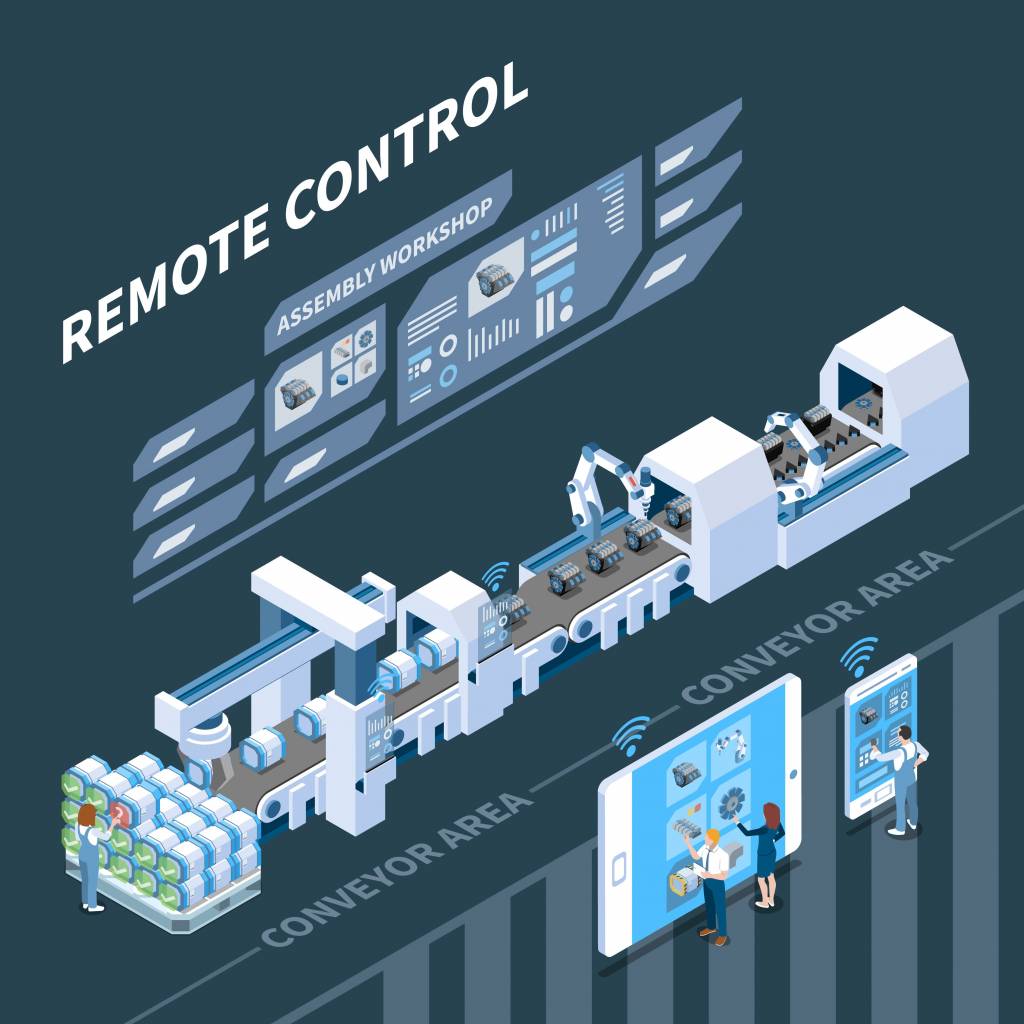
Solwer delivers D‑QiTs as a premier Industrial Solution, seamlessly merging Lean methodology with cutting-edge IoT technology. It revolutionizes Process Visibility, turning continuous improvement into a high-precision operation.
- Real-Time Data Capture: D‑QiTs captures live data from machinery and systems, providing a crystal-clear distinction between Net-Value Jobs, Non-Value-Added activities, and blatant Waste (Muda).
- Precision Decision-Making: By visualizing real-world data, teams can execute Data-Driven Decisions, eliminate unnecessary steps, and streamline workflows into a high-velocity Lean Automation foundation.
- From Guesswork to Reality: D‑QiTs transforms Lean from an abstract concept into a measurable, high-impact reality, ensuring every optimization is backed by verified performance data.
Lean Automation: Precision-Engineered Efficiency
Solwer prioritizes Lean Automation—a strategic approach where waste and non-value-added tasks are eliminated before introducing automation technology.
- Value-Driven Speed: We don’t just accelerate processes; we optimize them. Automation is deployed to replace repetitive manual tasks and time-consuming bottlenecks that drain resources without adding value.
- Precision & Cost Reduction: By automating high-repetition workflows, we ensure maximum precision, eliminate human error, and drastically reduce labor costs and rework time.
- Strategic Deployment: Our Lean-first mindset ensures you automate where it matters. We prevent “hidden complexity” by avoiding over-automation, ensuring every digital investment serves a clear purpose.
Through Solwer’s Lean Automation, your organization achieves true operational excellence: leaner processes, lower costs, and uncompromised quality.
Lean Automation: Engineering Value-Driven Systems
Solwer prioritizes Lean Automation—a strategic approach where Waste and Non-Value-Added tasks are eliminated before integrating technology. This ensures your digital transformation doesn’t just accelerate processes, but accelerates Value.
- High-Impact Velocity: Rather than simply increasing speed, Lean Automation replaces repetitive, manual tasks that drain resources without contributing to the final output.
- Precision & Efficiency: By automating standardized, low-value labor, systems achieve superior accuracy. This drastically reduces human error, labor costs, and the need for expensive Rework.
- Strategic Implementation: Lean principles empower teams to “automate with intent.” By avoiding over-automation, organizations prevent technology from becoming a hidden layer of complexity.
Through Solwer’s Lean Automation framework, your organization achieves genuine performance gains, reduced operational costs, and a streamlined workflow that maintains uncompromising quality.
Why Solwer Solutions are the Perfect Match for LEAN
- Rooted in Lean & Automation Heritage: Solwer is built on “Lean and Clean Innovation.” Our expertise stems from deep-rooted experience in the automotive and heavy industries, where LEAN has been the gold standard for decades.
- Engineered for the Digital Era: We don’t just patch old processes. We leverage IoT, Data-Driven insights, and Strategic Automation to serve modern enterprises that use technology as their core engine.
- Driven by Sustainability and Continuous Improvement: We move beyond one-time installations. By embedding the Kaizen philosophy and real-time monitoring into our DNA, we ensure your operations evolve through perpetual optimization
By integrating Solwer solutions—such as D‑QiTs (IoT + Kaizen), Lean Automation, and Data‑Driven Monitoring—LEAN transitions from a theory into a powerful digital reality. Whether you are a smart factory, a high-growth startup, or a tech-heavy service provider, you gain more than just speed. You achieve peak Efficiency, Accuracy, and Agility across your processes, products, and decision-making.
Ready to revolutionize your organization? Unlock the full potential of LEAN integrated with modern technology. Download our exclusive E-Book, featuring essential frameworks and real-world case studies of digital businesses mastering growth through Lean, Automation, IoT, and Data-Driven Solutions.
into Productivity
industrial experts.