


The Manufacturing World Has Changed: How Must Factories Adapt?
In recent years, the manufacturing industry has been facing massive transformations, driven by new technologies, rapidly changing consumer behaviors, and intensifying competition.
You May Also Like

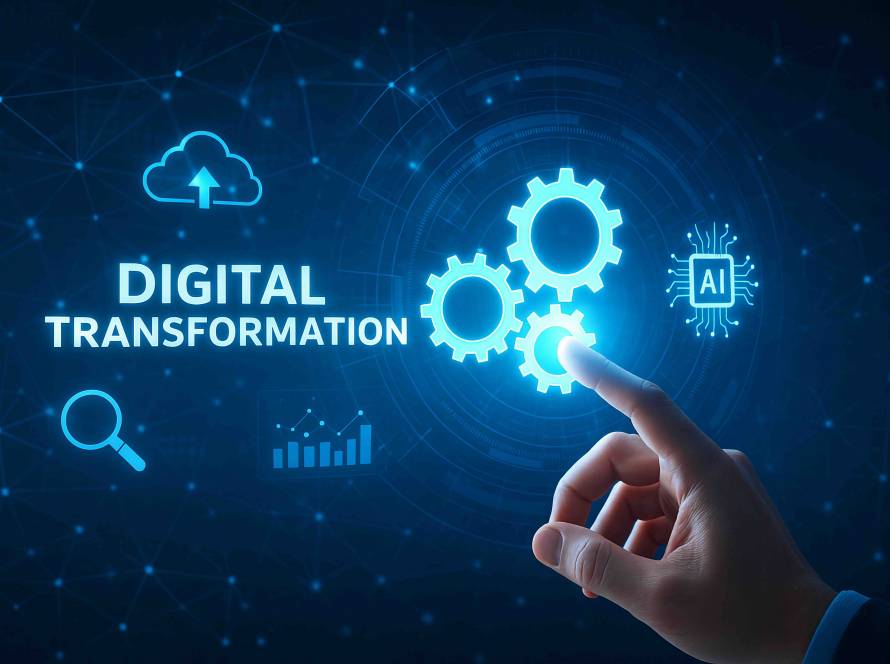
Factories that once relied on labor and experience may start to find that “traditional methods” can no longer answer the needs of the new world. The crucial question is: how will factories adapt to not just “survive,” but “thrive” in the long term? Today, Solwer will provide the answers.
Global Trends Transforming the Manufacturing Industry
The manufacturing industry today is facing a “massive transformation” that does not stem from a single factor but is rather a holistic change encompassing technology, the economy, and market behavior.
Factories that can understand and adapt to these trends will have the opportunity to create a competitive advantage, while those clinging to traditional methods may face increasing challenges.
1. Digital Transformation and Industry 4.0: From Analog to a Data-Driven Factory
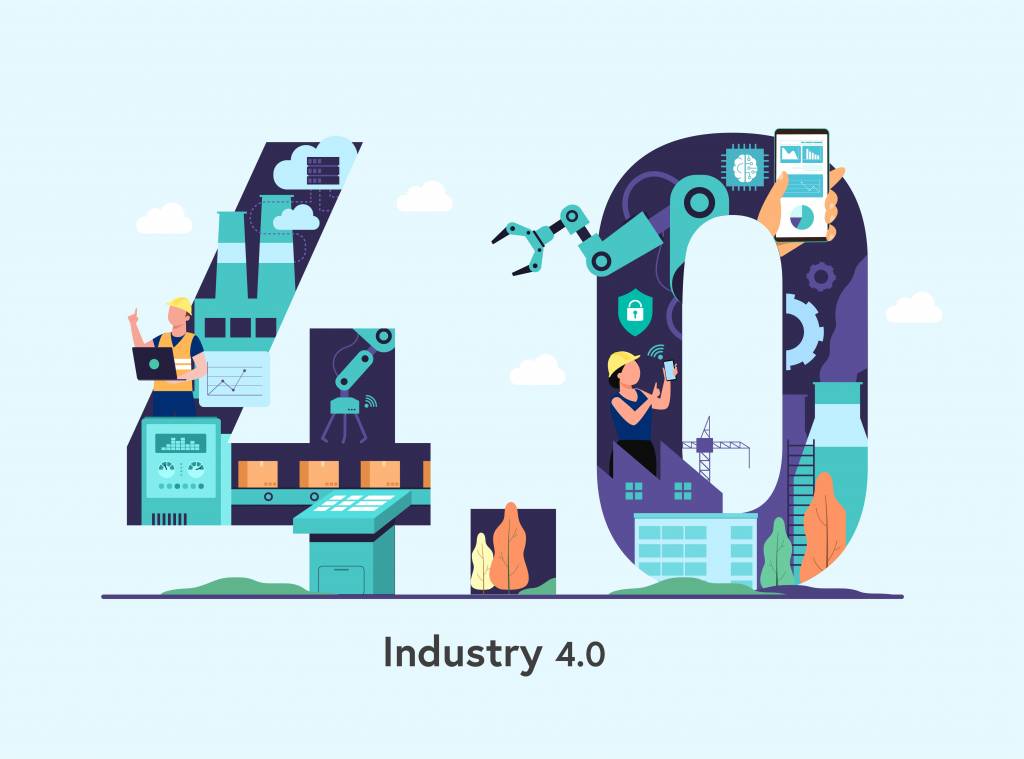
One of the most important trends is Digital Transformation (DX) and the concept of Industry 4.0, which transforms factories from Analog systems to fully Digital systems.
In the past, factories might have used:
- Manual data recording
- Reporting with Excel
- Decision-making based on experience
But in the modern era, factories are shifting towards:
- But in the modern era, factories are shifting towards:
- Automated data collection from machines (Machine Data)
- Using Dashboards and Real-Time Monitoring systems (Data-driven decision-making)
The results are:
- Problems are seen more clearly
- Faster analysis
- Continuous process improvement
DX is therefore not just “using technology,” but transforming both the mindset and working methods of the organization.
2. Automation and Robotics: Reducing Labor Dependence, Increasing Precision
The use of Automation and Robotics is becoming the new standard for modern factories, especially in tasks that: The use of Automation and Robotics is becoming the new standard for modern factories, especially in tasks that are:
- Are repetitive (Repetitive tasks)
- Require high precision
- Involve risks or heavy physical labor. Hazardous or labor-intensive
Automated systems help to: Automation helps to:
- Reduce reliance on labor for Routine tasks
- Increase production speed and consistency
- Reduce mistakes from humans (Human Error)
Additionally, automation helps solve the “labor shortage” that many industries are facing.
Factories that appropriately implement Automation will be able to “use fewer people but achieve better results”
3. Data-Driven Manufacturing: Using Data to Drive Improvements
Another crucial trend is the shift from decision-making based on “experience” to using “real data.
Data-Driven Manufacturing involves taking data from:
- Machines
- Production processes
- Product quality
And analyzing it to:
- Identify loss points (Loss)
- Identify Bottlenecks
- Continuously improve processes
When organizations have accurate and real-time data:
- Decision-making becomes faster
- Guesswork is reduced
- Problem-solving becomes more precise
The result is higher productivity without adding resources.
4. Sustainability and Green Manufacturing: More Responsible Production
Currently, factories are not just measured by “how much they produce,” but also by “how responsibly they produce.”
Concepts like Sustainability and Green Manufacturing are playing a more significant role, requiring organizations to:
- Reduce Waste (Waste Reduction)
- Improve Energy Efficiency
- Reduce Carbon Footprint
Technology helps in this area through:
- Energy consumption analysis systems
- Real-time waste tracking
- Refining processes to be Lean and resource-efficient
Organizations that adapt quickly in this area will not only help the environment but also “reduce costs” and enhance their corporate image.
5. Supply Chain Disruption: Uncertainties That Must Be Handled
Over the past several years, the world has clearly witnessed the volatility of the Supply Chain, such as:
- Raw material shortages
- Transportation delays
- Economic and political uncertainties
This forces factories to shift from:
- Rigid long-term planning
→ towards - Flexible and rapidly adaptable planning
Technology helps to:
- View situations in Real-Time
- Adjust production plans immediately
- Manage Inventory efficiently
Factories equipped with Data and supporting systems will clearly be better able to “handle uncertainties.
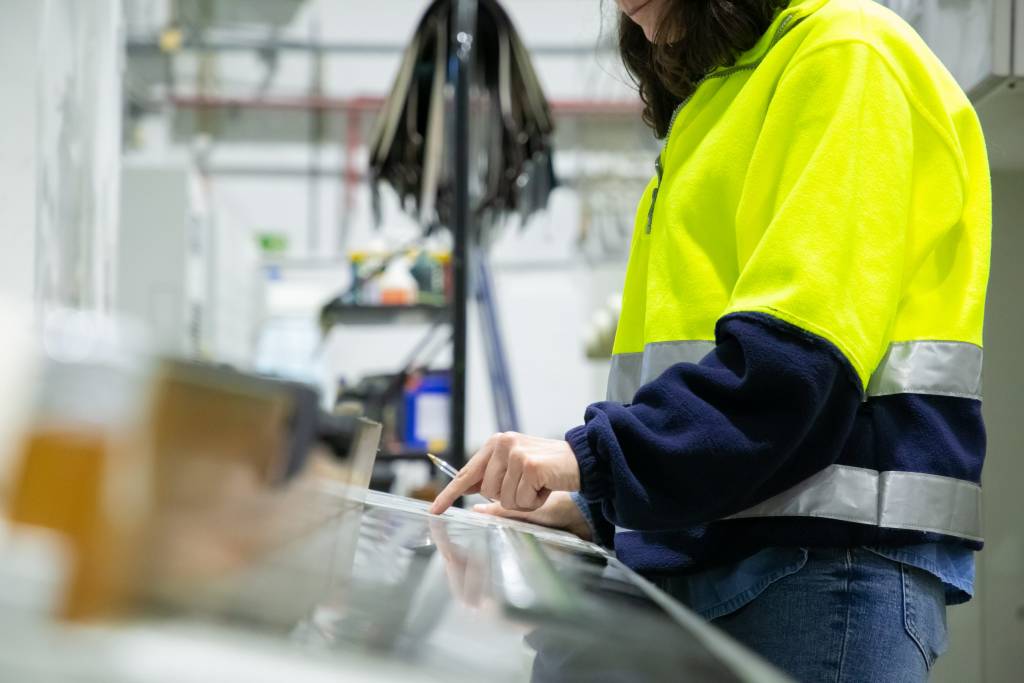
Challenges Facing Factories Today
1. Rising Labor Costs, Stagnant Productivity
Currently, labor costs are continuously rising, whether through minimum wages, benefits, or personnel-related expenses. However, many organizations find that productivity has not increased proportionally. A major reason is that employees still spend time on manual and non-value-added tasks, such as recording data, creating reports, or managing data in traditional ways. Even with increased investment in labor, the results remain largely unchanged.
2. Difficulty Hiring, Yet Relying on Manual Labor
The labor shortage is becoming a primary challenge for many factories, especially for positions requiring repetitive work, physical labor, or specific skills. Even though it is harder to find workers, many organizational systems still rely primarily on humans because they have not fully implemented technology or automation. This creates a conflict: “wanting to reduce manpower, but unable to reduce it due to the current workflow,” placing organizations at risk of long-term labor shortages.
3. Abundant Data, Unusable Insights
Although most factories already possess vast amounts of data—from machines, production, or quality—this data is often fragmented and cannot be used effectively. It often takes too long to collect and compile reports, making the data outdated and unable to support timely decision-making. This leads to a “data-rich but insight-poor” situation, resulting in lost opportunities for improvement and efficiency.
4. Recurrent Problems, Incorrect Solutions
A common problem in factories is that the same issues occur repeatedly—such as frequent machine downtime, production delays, or inconsistent product quality. Even if fixes are applied, they are often not permanent because the organization lacks deep data for analyzing root causes. Solutions are often “quick fixes” rather than addressing the root cause, leading to continuous losses in time, cost, and resources.
Why “Traditional Factories” Struggle to Survive
1. Relying on Paper Records and Excel
Many factories still rely primarily on manual data recording or report generation via Excel. While familiar and easy to use, this method has limitations, such as being time-consuming, prone to human error, and difficult to link across multiple sources, resulting in inaccurate data that cannot be utilized in real-time.
2. Lack of Real-Time Data
The absence of real-time data is another major constraint preventing factories from competing effectively. When management cannot instantly see current production status, decision-making is often delayed, and problems cannot be resolved in time. In a world demanding speed, “slow data” becomes a disadvantage that directly affects organizational efficiency.
3. Reactive Problem Solving
Traditional factories often have a “reactive” tendency, waiting for problems to occur before intervening. This might seem sufficient in the short term, but in the long run, it leads to higher downtime, increased hidden costs, and recurring problems that cannot be prevented. Lacking the ability to forecast and prevent issues in advance is a major limitation in an era requiring high production continuity and precision.
4. Decision-Making Based on Experience, Not Data
Although the experience of operators or management is valuable, in an increasingly complex world, relying on experience alone is no longer sufficient. Without clear supporting data, decisions may be skewed, impacting both costs and organizational efficiency. Shifting to data-driven decision-making is essential for survival today.
Strategies for Modernizing Factories
Survival for modern factories no longer depends solely on “improving how we do things,” but on “changing the entire operating system” to align with the speed and complexity of the ever-changing industrial world.
Organizations that can adapt will not only reduce costs but also increase efficiency, resilience, and long-term competitiveness.
1. From Manual → Automation: Reduce Repetitive Work, Increase Human Value
In many factories, numerous tasks are still manual and repetitive, such as data recording, reporting, or checking machine status. These tasks are time-consuming but do not create direct business value.
Implementing Automation changes the workflow by:
- Having systems perform repetitive tasks instead of humans
- Reducing the need for labor in routine work
- Increasing speed and consistency of processes
When automation replaces unnecessary work, employees can focus on higher-value tasks, such as analysis, problem-solving, and production process improvement.
The result is: The organization can “use fewer people for the same work, but achieve better results.”
2. From Experience → Data-Driven: Decide with Data, Not Feelings
In the past, factory decisions were often based on the experience of operators or management. While useful, in more complex environments, relying on experience alone is not enough.
A Data-Driven approach uses actual data from the shop floor, such as machine data, production data, and quality data, to:
- Analyze problems
- Identify points of loss
- Make strategic decisions
When organizations have accurate and up-to-date data:
- Decision-making becomes faster and more accurate
- Guesswork risk is reduced
- Processes can be improved continuously
Data thus becomes a “key resource” that drives modern organizations.
3. From Reactive → Proactive: Prevent Before Occurring Instead of Fixing After
Reactive working means waiting for problems to happen—like machine failures or production stops—then fixing them, which often leads to high downtime and hidden costs.
In contrast, the Proactive concept involves:
- Detecting anomalies at an early stage
- Using real-time data to monitor situations
- Forecasting problems in advance
This approach helps to:
- Reduce machine downtime
- Prevent recurring problems
- Increase production continuity
Shifting from reactive to proactive is a key step in elevating factory efficiency.
Key Technologies for Factories
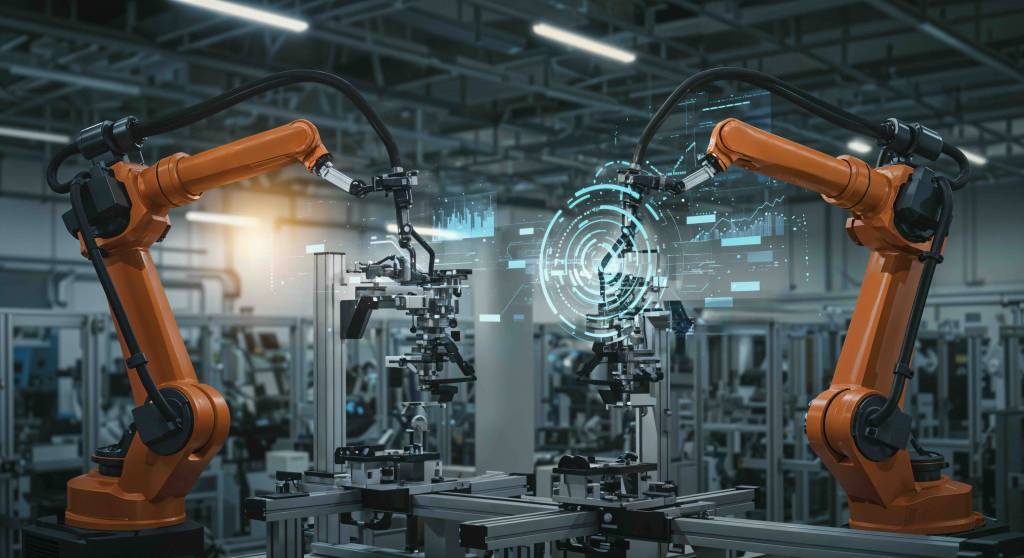
Digital Transformation does not necessarily need to start with complex technology like AI. It should begin with “essential foundations” that can create real impact and can be scaled to more complex systems in the future, particularly technologies that allow the factory to “see shop floor data” and “reduce manual work” tangibly.
One example of applying these technologies is Solwer’s Loss Tracker, a solution that integrates IoT, Data Analytics, and Real-Time Monitoring to help factories analyze losses and improve production processes precisely.
1. IoT (Internet of Things): Automatic Data Collection from Machines
IoT is a key starting point for DX in factories, enabling connection to machines and direct extraction of performance data—such as Run/Stop status, production speed, or downtime—without relying on manual employee entry.
In systems like Loss Tracker by Solwer, IoT technology is used for automatic machine data collection, resulting in data that is:
- Continuous 24/7
- High-resolution timestamped data
- More accurate than manual recording
This allows the factory to “see the truth” of production clearly. Download the e-Book to learn about Loss Tracker!
2. Automation System: Reduce Manual Work and Increase Continuity
Automation helps reduce the burden of non-value-added repetitive tasks, such as reporting, status updates, or notifications when problems occur.
When integrated with systems like Loss Tracker:
- Data is processed automatically
- Reports are generated in real-time
- Alerts notify users immediately when anomalies occur
The result is:
- Reduced dependence on staff for routine tasks
- Increased response speed
- Reduced Human Error
3. Data Analytics: Turning Data into Insights
Having data alone is not enough; the important part is “transforming data into actionable insights.”
Systems like Loss Tracker by Solwer help analyze:
- Types of loss, such as Downtime, Speed Loss, Minor Stops
- Frequency and timing of problems
- Relationships between events (Event-based Analysis)
This helps teams:
- Identify Root Causes accurately
- Plan Kaizen effectively
- Track improvement results tangibly
3. Real-Time Monitoring: Instant Situational Awareness
Real-time visibility is key to reducing losses, allowing users to track machine and production line status live.
In the Loss Tracker system:
- Users can view the machine status instantly
- Detect anomalies in real-time
- Receive alerts when important events occur
This enables:
- Reduced machine downtime
- Faster problem solving
- Increased production continuity, especially during the Night Shift
4. Cloud System: Connecting Data Across the Organization
Cloud is the infrastructure that allows data from various sources to be connected and accessed from anywhere—whether on the shop floor, by the engineering team, or by management.
When systems like Loss Tracker operate on a connected infrastructure:
- All parties see the same data
- Miscommunication is reduced
- Decision-making becomes faster
This helps build a “Single Source of Truth” for the entire organization.
Use Case: What Successful Factories Do
Factories that successfully adapt to the digital age rarely start with a massive, one-time investment. Instead, they start with small Use Cases that directly solve Pain Points and show real results, particularly in areas involving manual work and the lack of accurate data.
1. Using IoT Instead of Manual Machine Recording
In the past, employees had to record machine status—such as Run/Stop, Downtime, or production counts—on paper or Excel, which was time-consuming and prone to errors.
Factories that successfully adapt start by integrating IoT (Internet of Things) to connect to machines and pull data automatically, resulting in:
- No manual recording needed
- Real-time data
- Higher resolution and accuracy
With accurate and continuous data, organizations can analyze and improve production processes more efficiently.
2. Using Dashboards Instead of Excel Reports
Traditional reporting often takes several hours per day to gather data and create Excel files, which is not only slow but also fails to reflect current situations.
Successful factories switch to Real-Time Dashboards connected directly to the database, ensuring:
- Data updates automatically
- Management can access information instantly
- Report creation steps are reduced
The result: Teams don’t waste time “creating reports” but can spend more time “analyzing and making decisions.”
3. Using Alert Systems Instead of Physical Inspections
In traditional systems, supervisors or foremen must walk around to check machines, which is time-consuming and may miss critical events.
Factories using technology have Alert Systems that notify them instantly when abnormal events occur, such as:
- Machine stops
- Speed drops
- Downtime occurrence
This helps:
- Eliminate the need to inspect every point constantly
- Focus only on points with problems
- Resolve issues faster
This makes management more effective, even with the same or fewer people.
4. Using Automation to Reduce Repetitive Work
Repetitive tasks, such as report generation, status updates, or tracking work, are time-consuming but do not create direct value.
Successful factories integrate Automation into these processes to:
- Have systems perform routine tasks
- Reduce employee workload
- Increase speed and accuracy
The result is:
- Reduced headcount for routine tasks
- Increased Productivity per person
- Teams can focus on analytical work and improvements
Summary of Use Cases
Interestingly, successful factories do not start by “changing the entire system” but by:
- Reducing data recording → Using IoT
- Reducing report creation → Using Dashboards
- Reducing physical inspections → Using Alerts
- Reducing repetitive work → Using Automation
Combined, the result is not just “working faster,” but “using fewer people in the same work, while achieving better results.”
Results of Adapting Factories
When factories implement these approaches and expand them continuously, clear business results can be seen in several areas.
1. Reduced Production Costs
Reducing manual work, downtime, and increasing efficiency lowers unit costs significantly, without necessarily needing to reduce staff count.
2. Increased Productivity Per Person
When employees no longer waste time on repetitive tasks or data management, output per person clearly increases, allowing the organization to grow without increasing headcount.
3. Reduced Downtime and Losses
Using a real-time monitoring and alert system helps detect and resolve problems faster, resulting in less downtime and more continuous production.
4. Faster and More Accurate Decision-Making
With real-time data and good analysis systems, management can make decisions instantly without waiting for reports, allowing for faster response to situations.
5. Increased Production Flexibility
Factories with data and supporting systems can adjust production plans faster, better accommodating market and supply chain changes.
How to Get Started: Roadmap for Transforming Factories
Digital Transformation in factories might sound like a huge and complex undertaking, but in reality, you do not need to start by changing the entire organization at once. The key is to “start at the right point” and “gradually expand systematically.”
Because the truth is: you don’t need to change everything today, but if you don’t start at all… tomorrow will be the same.
1. Start with Clear Pain Points
The best starting point for transformation is looking for “problems that truly impact the business,” such as:
- Frequent machine stoppages (High Downtime)
- Long report creation times
- Inaccurate data
- Low Productivity per person
Starting with clear pain points helps:
- Identify clear goals for resolution
- Measure results clearly
- Build support from teams and management easily
Instead of starting with “I want to do DX,” start with “What are we losing, and how can we fix it?”
2. Choose Use Cases with Fast Results (Quick Wins)
After identifying the problem, the next step is to choose Use Cases that can generate fast results without high investment or changing the entire system.
Examples of Quick Wins such as:
- Using IoT to collect machine data instead of manual recording
- Using Dashboards instead of Excel reports
- Using Alert for Downtime notifications
- Using Automation to reduce repetitive work
These Use Cases help:
- See results in the short term
- Build confidence for the organization
- Serve as a starting point for future expansion
Small successes will become the “momentum” for larger changes.
3. Build a Strong Data Foundation
The heart of Digital Transformation is “data.” Without accurate and reliable data, improvement becomes just guesswork.
Building a Data Foundation means:
- Having systems to collect data automatically from the shop floor
- Having standardized data
- Being able to access information in Real-Time
When an organization has a good Data Foundation:
- Analysis will be more accurate
- Decision-making will be faster
- And it can scale to advanced technology like AI in the future
4. Gradually Expand Systematically
Once starting from small Use Cases and having a Data Foundation, the next step is to “expand” to other parts of the organization.
The effective approach is:
- Expand from 1 Line → multiple Lines
- From 1 Factory → the entire Organization
- From 1 Use Case → multiple Processes
Expansion should be done sequentially, not necessarily the fastest, but “continuously and sustainably.” Successful organizations often don’t do it the fastest but the most “consistently.”
In the current industrial world, the competitive advantage no longer depends on the organization’s size or the number of resources. Instead, it depends on the ability to “adapt” to rapid changes. Factories that can see problems in real-time, use data to make decisions quickly, and continuously improve processes will be the organizations that can maintain competitiveness and long-term growth.
Therefore, doing Digital Transformation is not just an option for organizations wanting to develop, but has become a “basic condition for survival” in the new industrial era. The sooner an organization can start, the more opportunities it has to create advantages and get ahead of competitors. Download Solwer’s e-Book and start Digital Transformation in your factory systematically today!

into Productivity
industrial experts.