


How does Loss Tracker support and solve night shift production issues ?
In many factories, the night shift is often the period when the highest production losses occur, yet it remains the least visible. The primary reasons include a reduced workforce, less supervisor coverage, and a lack of accurate, real-time data.
As a result, issues occurring during night shifts—such as frequent machine stops, drops in production speed, or operational errors—are frequently under-recorded or delayed in resolution. This directly impacts Overall Equipment Effectiveness (OEE) and drives up overall manufacturing costs.
Introducing Loss Tracker: An IoT System for Real-Time Loss Analysis
You May Also Like
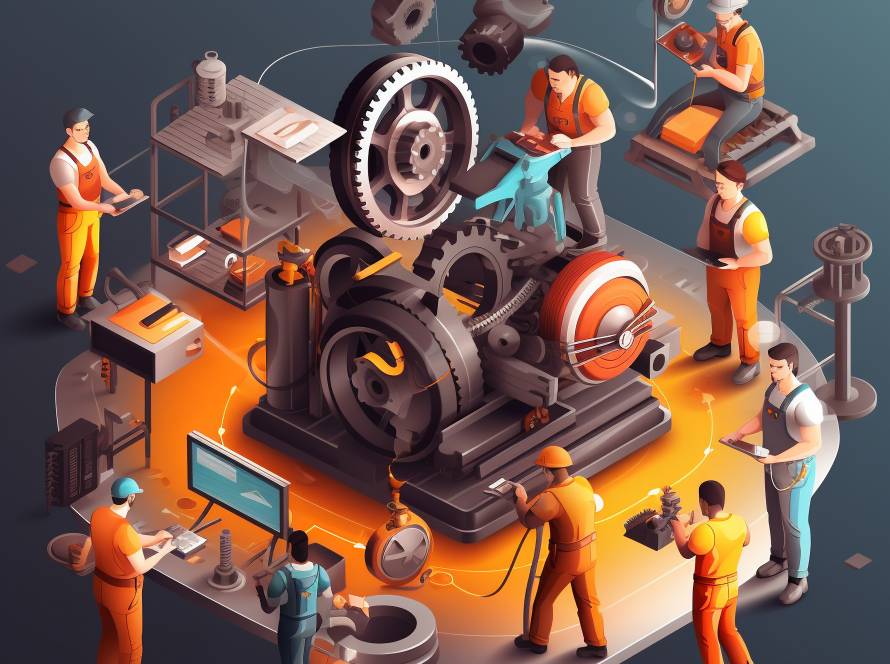

Solwer Loss Tracker is an Industrial IoT solution designed to help factories clearly see production losses across all operating hours. It is particularly effective during the night shift, a period that typically lacks close monitoring.
The system works by connecting directly to machines on the production line to automatically gather machine data. It then processes this into actionable insights that teams can use to analyze and improve manufacturing processes immediately.
Want to learn more? This data-driven approach to reducing waste and boosting production efficiency is explained in detail in the Solwer e-Book, which compiles core concepts, methodologies, and real-world case studies of Loss Tracker applications in industrial plants.
1. 24/7 Automatic Data Collection
Loss Tracker continuously gathers data from production lines 24 hours a day without relying on manual operator logs. This eliminates human error and provides high-granularity data. The collected data includes:
- Detailed timestamps for the start and stop of every event
- Cycle times
Having complete data coverage across all hours, especially during the night shift, ensures the factory never misses critical events that impact overall efficiency.
2. Systematic Loss Analysis
A core capability of the Loss Tracker is its structured approach to identifying and categorizing different types of production losses. The system allows teams to:
- Categorize losses into clear types such as downtime, minor stoppages, and speed losses
- Calculate the exact impact of each specific loss on OEE
- View data on a clean, easy-to-understand dashboard
This enables teams to pinpoint exactly which problems cause the greatest impact and need immediate attention, making prioritization highly effective.
3. Event-Based and Video Analysis Linkages
Loss Tracker goes beyond basic numbers by linking data directly to real shop-floor events. Features include:
- Automated video recording during machine stoppages
- Video playback features to analyze root causes
- Verification of operator behaviors and environmental variables
This feature removes guesswork from troubleshooting and shifts the analysis to an evidence-based approach, which is significantly more accurate.
4. แสดงผลแบบ Real-Time เพื่อการตัดสินใจที่รวดเร็ว
All gathered data is funneled into a real-time dashboard, allowing users to:
- Monitor live production statuses instantly
- Detect anomalies the moment they occur
- Make quick, informed decisions to rectify issues
During the night shift—when resources are limited—having instant visibility is a critical factor in reducing downtime and maximizing productivity.
5. Exposing Shop-Floor Realities During Night Shifts
By combining data, analytics, and real-time monitoring, the Loss Tracker helps factories:
- Uncover hidden losses that usually slip through the cracks
- Audit historical events with high precision
- Eliminate the data blind spots typical of night shifts
Consequently, organizations can successfully transition from reactive firefighting to true proactive operations management.
The Limitations of Traditional Night Shift Monitoring
The night shift typically runs outside normal working hours (generally from 22:00 to 06:00). While production continues, this shift faces the tightest resource constraints regarding staff numbers, available supervisors, and front-line data access. Because of these constraints, production losses often happen during the night shift without being caught or resolved in a timely manner.
The Restrictions of Manual Data Logging
Many factories still track issues using manual operator logs or end-of-shift reports, which suffer from major drawbacks:
1.Incomplete Data and Human Error
Operators may forget to log an incident, run out of time, or omit details when dealing with urgent line issues. This means the final data fails to reflect shop-floor realities.
2.Imprecise Incident Timestamps
Handwritten logs rarely capture exact timestamps showing exactly when a machine stopped, how long it remained idle, or how frequently it halted. This makes deep analysis difficult.
3.No Proof for Root Cause Analysis
When a machine stops or efficiency drops, teams usually must guess the cause based on personal experience because there is no objective evidence to confirm the problem.
4. No Real-Time Tracking
Legacy manual systems cannot provide instant alerts or live updates. This delays troubleshooting, forcing teams to be reactive rather than proactive.
Why Night Shifts Carry Higher Risks
The weaknesses of manual tracking become much more severe during the night shift due to specific operational vulnerabilities:
- Fewer operators and supervisors are on the floor.
- Floor inspections are less frequent and less continuous.
- Inter-team communication gaps often occur.
- Worker fatigue compromises data logging accuracy.
As a result, night-shift issues like minor stoppages, frequent brief halts, speed losses, or idle times are routinely overlooked or misinterpreted when reported the following morning.
Unseen Business Impacts
While an isolated night-shift issue might seem minor, the cumulative effect over time damages key business metrics:
- OEE drops without a clear explanation or traceable cause
- Cost per unit increases
- Production consistency becomes volatile
- Production planning and scheduling become inaccurate
Critical Blind Spots
The night shift is a high-risk window for hidden losses. Relying on traditional tracking methods leaves a permanent blind spot in the operation, making targeted problem-solving impossible. This is why modern factories implement automated systems like Loss Tracker to close these data gaps and elevate production control.
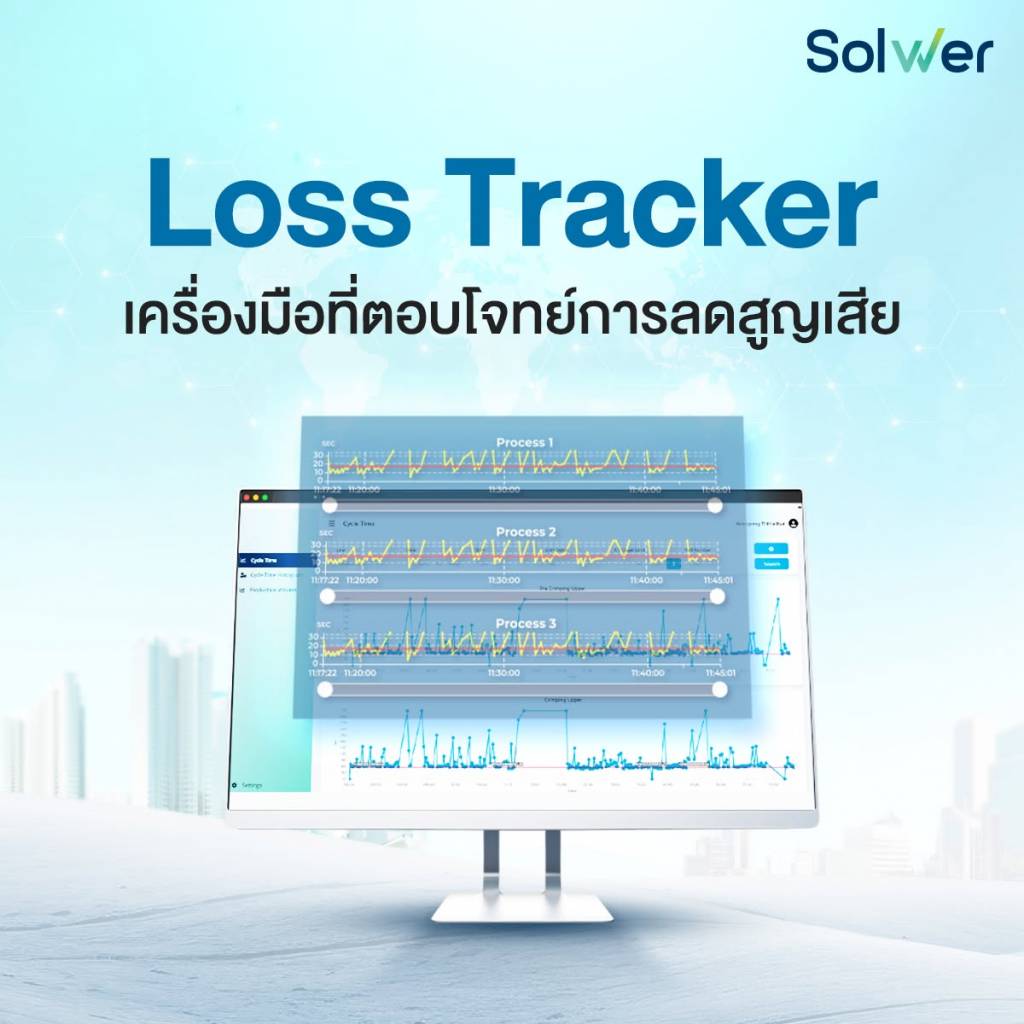
How Loss Tracker Operates Effectively During Night Shifts
Human-led data collection during the night shift suffers from consistency gaps. Solwer’s Loss Tracker addresses this problem through a 24/7 automated architecture that logs events accurately without human intervention.
1. Direct Machine Connectivity
Loss Tracker utilizes Industrial Internet of Things (IIoT) technology to harvest real-time data directly from machines and sensors. This aligns with modern smart manufacturing frameworks to increase shop-floor transparency. The system integrates directly with PLCs, sensors, and gateways to collect sensor input/output signals. This direct connection prevents data loss and ensures continuous 24-hour machine status monitoring.
2. Automated Run / Stop / Idle Status Logging
A core feature of the system is tracking machine states continuously by dividing them into primary statuses:
- Run: Operating normally
- Stop: Machine has halted
3. Detailed Precision Timestamps
Loss Tracker marks every single event with a highly accurate timestamp. This time data allows teams to:
Identify exactly when an issue occurred
Compare machine behaviors across different operational periods
Correlate machine events directly with production cycle data
Granular timestamps are vital for root cause analysis because they show the precise sequence of events, allowing engineers to see what triggered a failure.
4. Event-Based Video Recording Integrations
In addition to numerical logs, Loss Tracker links directly with camera systems to capture live footage the moment an anomaly is detected. This event-based video recording allows teams to:
Review visual footage immediately preceding or following a loss event
Eliminate guesswork during post-event troubleshooting
Utilize clear visual evidence to back up management decisions
This capability transforms numerical data into objective, evidence-based data, which is invaluable for deep troubleshooting and continuous improvement initiatives.
5. Fully Autonomous 24-Hour Operations
The biggest advantage of Loss Tracker is its ability to operate completely automatically 24/7. It eliminates the need for manual paperwork, phone reports, or end-of-shift summaries. This automated flow ensures that data is:
- Accumulated continuously with zero time gaps
- Highly accurate and consistent
- Ready for immediate analysis at any time
For understaffed night shifts, this automation bridges the tracking gap effectively.
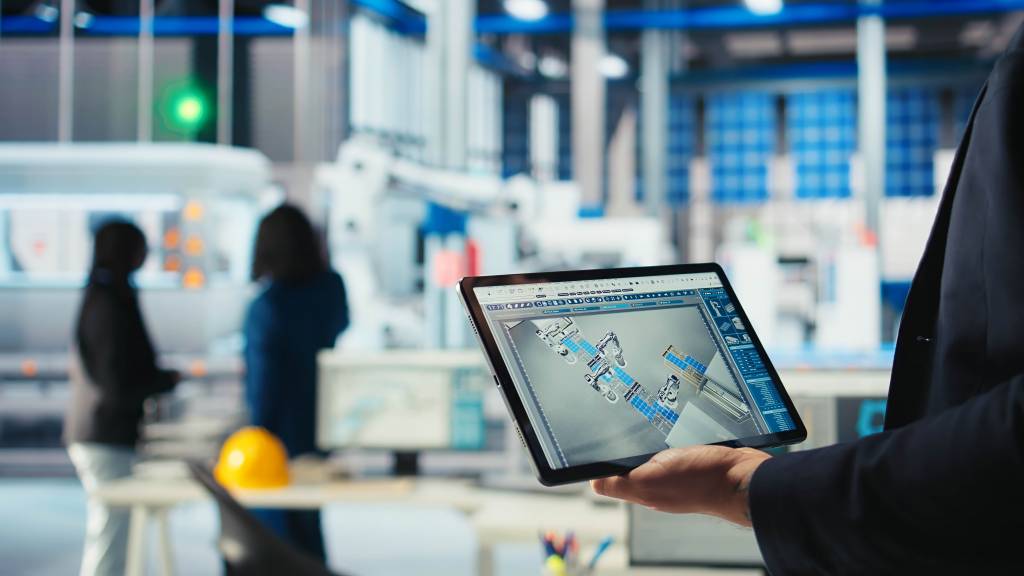
Uncovering Hidden Night Shift Issues with Real-Time Monitoring
Real-time monitoring acts as the intelligent eyes and ears of the factory, detecting issues such as unplanned downtime, minor stoppages, speed losses, or recurring idle times that manual logs miss.
1. Live Machine Status Monitoring
The real-time dashboard pulls machine data directly to display:
- Whether a machine is running or stopped
- Current production speeds compared to standard rates
- Efficiency levels across individual lines
- Live counts of units produced up to that exact minute
This live visibility allows off-site managers and night-shift supervisors to track production progress instantly without waiting for morning reports.
2. Instant Anomaly Detection
Working alongside automated data collection, the system spots warning signs instantly, including:
- Sudden machine shutdowns
- Abnormally slow cycle times
- Lines failing to run according to the schedule
- Repetitive minor stoppages
Because night-shift supervisors often manage multiple lines simultaneously, automated alerts ensure these critical issues are never missed or ignored.
Why Real-Time Monitoring is Vital for the Night Shift
The night shift represents the highest risk period for machine operations due to distinct challenges:
- Reduced Visual Inspections: With fewer staff on duty, physical floor checks are less frequent, allowing minor issues to escalate into major breakdowns.
- Operator Fatigue: As physical exhaustion sets in, a worker’s ability to notice abnormal machine sounds or subtle vibration changes drops, slowing down response times compared to day shifts.
- Supervisor Overload: Supervisors must cover multiple production areas at once, meaning a lack of real-time data leads to delayed operational decisions.
- Incomplete or Delayed Logging: When an issue occurs, teams focus heavily on fixing the machine rather than logging it, which destroys data integrity for later root cause analysis.
Real-time monitoring acts as a tireless, digital assistant that watches every machine, sends instant alerts, reduces downtime, and ensures stable operations through the night.
Powering Kaizen and Continuous Improvement
Kaizen and PDCA cycles yield real results only when supported by objective facts at every stage. Relying on handwritten data makes this difficult. Loss Tracker elevates Kaizen by providing accurate, traceable data across all phases:
Clear Problem Identification
Loss Tracker logs losses in real-time with precise timestamps. Instead of guessing that a machine breaks down frequently, teams get concrete data showing exactly when issues occur, how often, and how they impact OEE and time loss.
Accurate Root Cause Analysis
Detailed logs of loss types and system alerts make it much easier for teams to run 5 Why Analyses and build clear Fishbone Diagrams. Root causes are determined by objective, verifiable data rather than assumptions or opinions.
Concrete Improvement Verification
After implementing a Kaizen initiative, Loss Tracker allows teams to check problem frequencies before and after the fix, track changes in downtime, and audit OEE impacts daily, weekly, or monthly. This ensures transparent evaluation and prevents issues from recurring.
Examples of Night Shift Problems Captured by Loss Tracker
Loss Tracker exposes hidden losses—those small, recurring issues that do not cause massive shutdowns but significantly damage long-term efficiency.
Minor Stoppages
Machines often stop for just a few seconds or minutes due to material jams, minor sensor errors, or quick operator adjustments. While individually brief, if they occur repeatedly overnight, they accumulate into massive blocks of lost time. Loss Tracker logs every occurrence, frequency, and time slot to reveal which minor stoppages are the primary culprits.
Speed Loss
Sometimes a machine keeps running but operates slower than its standard rate due to deliberate slowdowns to avoid errors, mechanical wear, or inconsistent overnight operation. Manual logs miss this because the machine is technically active, but Loss Tracker compares actual speed against standard parameters to locate speed losses exactly.
Idle Time
Idle time occurs when a machine is fully functional but stands idle waiting for raw materials, production orders, or operators. Overnight, this usually stems from coordination gaps and gets ignored due to a lack of precise tracking. Loss Tracker logs exact idle durations and frequencies to improve process planning.
Unplanned Downtime
Sudden machine breakdowns severely hurt production, especially at night when support staff are limited, repairs are delayed, and data is scarce. Loss Tracker records the exact moment of failure, cross-references it with preceding events, and pairs it with video footage to make root cause analysis straightforward.
Uncovering the Truth: Loss Tracker does more than spot errors; it shows exactly when a problem happens, its frequency, and its overall business impact, allowing teams to prioritize the most expensive issues.
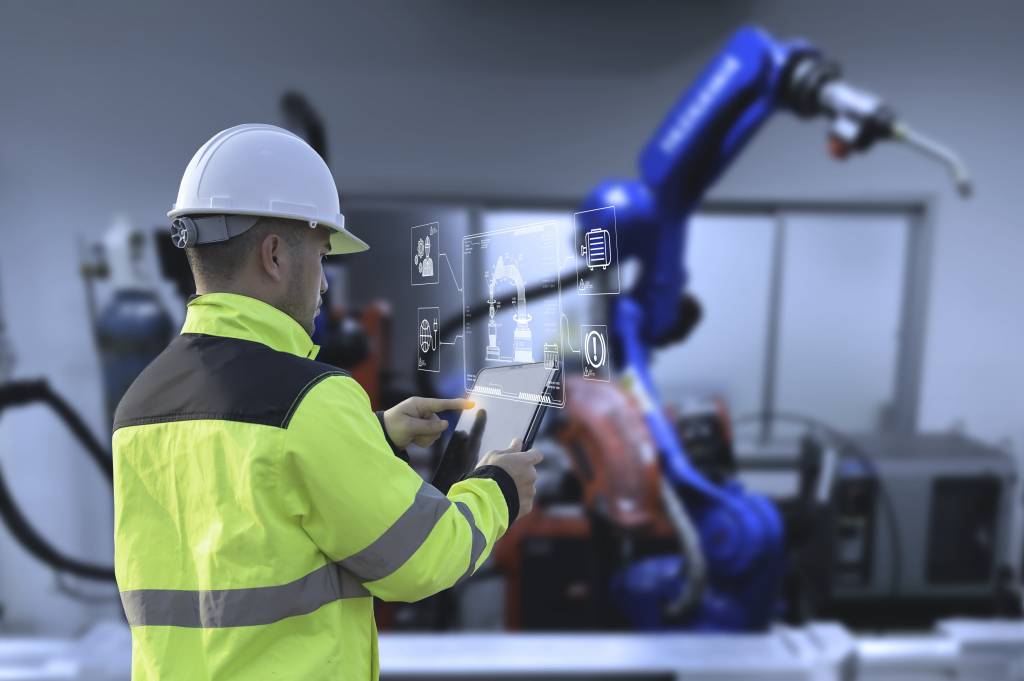
Concrete Business Benefits of Loss Tracker
By clarifying night shift operations, factories gain distinct advantages:
1. Reduced Downtime
Speedier detection and clear root cause data lower machine stop durations and prevent repeat failures, leading to smoother overnight production.
2. Elevated Plant OEE
Eliminating minor stoppages, speed losses, and downtime directly improves OEE metrics across machine availability, performance, and quality scores.
3. Elimination of Manual Logging
Eliminating error-prone paper logs or late summaries, all information is gathered automatically and is instantly accessible.
4. Shift-Wide Transparency
Every event is logged and auditable, which reduces arguments between teams, creates a uniform performance standard across all shifts, and gives management a crystal-clear overview.
5.Fast, Accurate Decisions
Armed with real-time and historical data, plant teams can fix problems instantly, plan optimizations accurately, and rely on data to drive operational choices.
Conclusion
In legacy setups, the night shift was often an unmanageable blind spot fraught with data gaps and monitoring constraints. Loss Tracker completely changes this dynamic, turning an unpredictable shift into a highly manageable, efficient, and data-driven operation centered around real-time transparency.
The system gives factories total visibility into their lines, enabling teams to respond quickly to minor or major issues, reduce downtime, and drive continuous improvement with verifiable data. Over the long term, this 24/7 data precision cuts the costs of hidden losses and aligns factory floors with modern Smart Factory standards. Investing in real-time data solutions like Loss Tracker is a vital step toward overcoming shift constraints and building a sustainable competitive edge.
Ready to master your production data? To deepen your understanding of eliminating production losses, maximizing OEE, and conquering night-shift operational blind spots, download the comprehensive Solwer e-Book packed with real-world industry case studies today.

into Productivity
industrial experts.