


The PDCA Cycle (Plan-Do-Check-Act) and Factory Development
In many factories, troubleshooting often looks like a “problem happens → fix it → done” loop. However, it isn’t long before the exact same problem returns. The root cause isn’t a lack of talent within the team; it is that the improvement process lacks structure and continuous follow-up.
You May Also Like


To develop a factory efficiently and sustainably, you need a clear framework. One of the most globally recognized foundational tools is the PDCA (Plan-Do-Check-Act) cycle. When PDCA is applied consistently, it becomes the true heart of Kaizen or endless, continuous improvement.
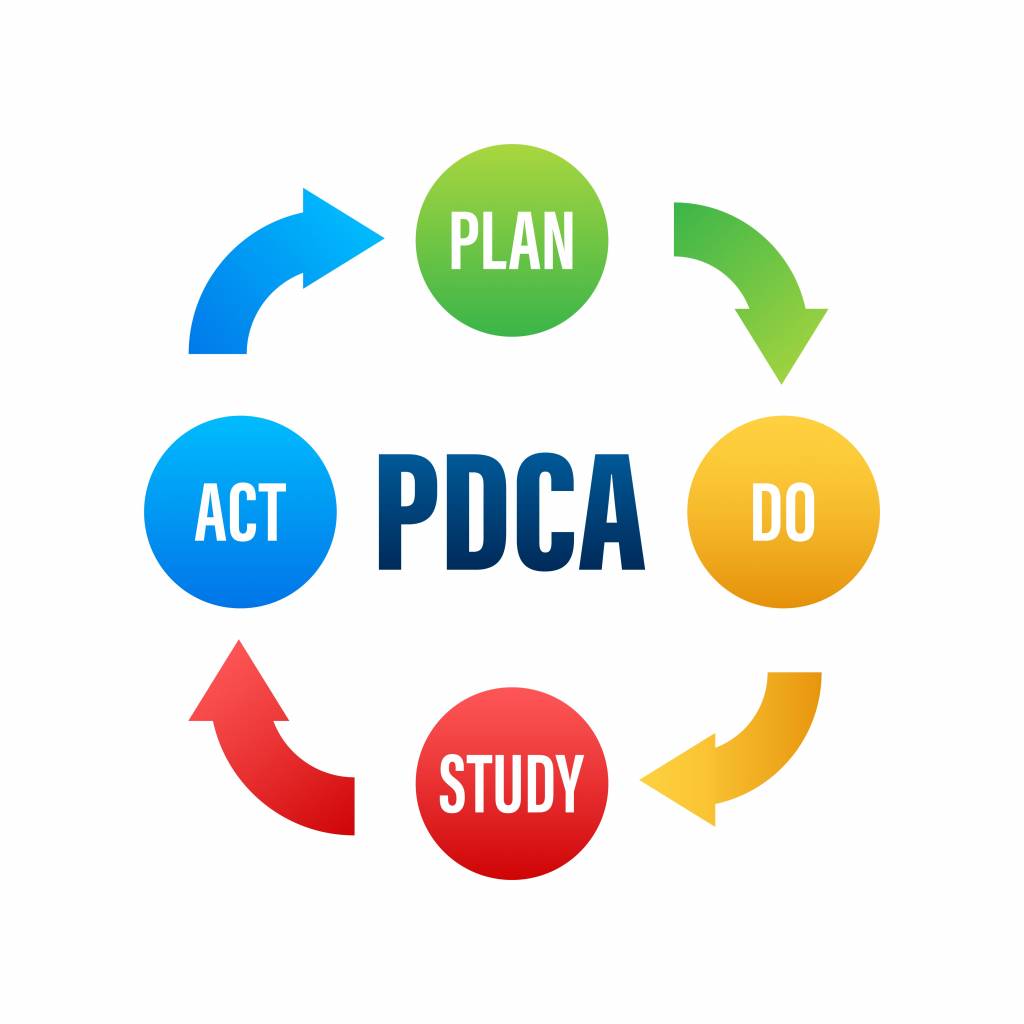
What is PDCA? The Foundation of Structured Improvement
The PDCA (Plan-Do-Check-Act) cycle is a continuous improvement cycle widely used across the industrial sector to help organizations develop systematically, rather than just reacting to immediate front-line issues.
The highlight of PDCA is its step-by-step operation. It involves setting goals, testing, executing, measuring results, and using those outcomes for further improvement. This workflow reduces operational ambiguity and ensures development is built entirely on facts.
1. Plan: Start by Truly Understanding the Problem
The first step is to identify the problem and define clear goals based on objective front-line data, such as:
- High machine downtime
- Productivity levels are falling below the standard
- Defects occurring within the production process
During this phase, organizations should:
- Analyze the root cause
- Set measurable targets (e.g., reduce downtime by 20%)
- Map out corrective action plans
If the plan lacks clarity, subsequent steps will lack proper direction.
2. Do: Implement Improvements on the Actual Shop Floor
Once the plan is ready, the next step is implementation, which usually starts as a small-scale pilot project, such as:
- Testing process adjustments on a single production line
- Altering specific operational work steps
- Modifying machine configuration settings
The core focus of the “Do” phase is that it does not need to be perfect from day one. It prioritizes experimentation and learning, while logging real-time data to prepare for the next
3. Check: Measure Results with Objective Data
This phase evaluates the outcomes of the experiment by comparing them directly against the goals defined during the Plan stage. Organizations should:
- Utilize real shop-floor data such as total output, downtime, and quality rates
- Compare Before vs. After metrics
- Analyze whether the changes yielded the desired results
The essence of the Check stage is relying entirely on data rather than gut feelings to ensure precise manufacturing choices.
4. Act: Maximize Improvements and Scale Success
After understanding the results, the final phase involves taking action based on two scenarios:
- If results are positive, turn the new method into a standard (Standardize) and roll it out across other areas.
- If results fall short, adjust the plan and kick off a brand new PDCA cycle.
Therefore, Act is never an endpoint; it is the launchpad for the next improvement loop.
The Heart of PDCA: Continuous Iteration
What separates PDCA from standard troubleshooting is its continuous repetition. Every time an Act phase finishes, it feeds into a new Plan phase, keeping the cycle spinning. Development does not happen overnight; it is a gradual, continuous improvement process that accumulates into sustainable, long-term business results.
PDCA in the Factory Context
In a manufacturing environment, PDCA isn’t just an abstract theory. It is a highly practical tool applicable at every level of the organization—from the shop floor up to executive suites. This is especially true for production lines where precision, consistency, and regular updates are non-negotiable.
Crucially, PDCA provides factory developments with a clear, auditable structure that eliminates reliance on past personal experience or guesswork.
1. Plan: Map Out Waste and Set Precise Targets
On the factory floor, the Plan step begins by pinpointing production waste (Loss) using baseline manufacturing data like:
- Downtime (unplanned machine stops)
- Yield (the ratio of products meeting quality standards)
- OEE (Overall Equipment Effectiveness)
Using these metrics allows engineers to identify problems clearly, pinpoint trends (such as spikes during specific shifts), and set measurable goals like reducing line downtime by 15%.
2. Do: Pilot Adjustments on the Live Line
Following the planning phase, the Do stage moves ideas into real shop-floor environments through actions such as:
Updating standard work instructions (WI)
Configuring new machine operational settings
Modifying specific steps along the line flow
Uptraining operators on newly established protocols
Factories typically pilot these trials on a small scale—such as a single asset or one line—to minimize risks and control variables. Keeping meticulous logs during this phase is vital to powering the Check phase.
3. Check: Audit Performance with Plant KPIs
The Check step compares post-implementation data against baseline metrics to verify if the modifications delivered a genuine improvement. Production metrics generally center on clear KPIs:
- Did line downtime decrease?
- Did total manufacturing output rise?
- Did the quality rate improve?
Analysis must emphasize data over feelings and track trends over extended blocks rather than brief windows. This step determines whether to standardize the change or rewrite the strategy
4. Act: Standardize via SOPs and Expand the Scope
The Act step takes key takeaways and scales them across broader operations. If results are positive, teams standardize the workflow, update SOPs, and apply it to other lines. If results fall short, teams analyze the data, pivot the strategy, and initiate a new cycle. Act focuses on building upon past lessons to feed continuous, long-term development.
PDCA in the Factory: From Firefighting to Systemic Growth
Consistently running PDCA cycles creates a massive shift in a factory’s operations:
- Shifting from reactive firefighting to systemic problem-solving
- Moving from experience-based assumptions to data-driven choices
- Transforming isolated, one-off fixes into continuous operational evolution
Applying PDCA ensures that improvements become built into daily operations rather than remaining short-lived projects. When powered by industrial tech and clean data, this cycle turns into a sustainable engine for long-term factory growth.

What is Kaizen and How Does it Connect with PDCA?
Kaizen is a Japanese industrial philosophy centered on continuous improvement. Its primary rule is simple: constantly refine workflows for the better through small, incremental, and highly structured updates.
Unlike breakthrough improvements that demand massive capital overhauls, Kaizen prioritizes:
- Making step-by-step, incremental refinements
- Executing small improvements consistently every single day
- Encouraging front-line operators and all staff levels to contribute ideas
This strategy shifts operational growth from an executive-only duty into a shared corporate culture.
The Synergy of Kaizen and PDCA
In daily practice, Kaizen is powered by clear methods rather than abstract concepts—with PDCA serving as its core engine. Essentially, **Kaizen is the continuous rotation of the PDCA cycle**.
Completing one full PDCA cycle equals executing one Kaizen improvement. Repeating this process consistently over long periods establishes a powerful long-term development loop. While Kaizen represents the overarching vision, PDCA provides the practical steps to make it happen:
- Plan: Pinpoint production constraints and operational opportunities
- Do: Test newly developed line strategies
- Check: Audit performance data against baseline figures
- Act: Institutionalize working updates into permanent plant standards
As teams run PDCA cycles, individual problems get resolved one by one, production processes refine smoothly, and valuable manufacturing insights get retained within the organization. This is the true essence of Kaizen.
Faster PDCA Cycles Mean Faster Kaizen Progress
The rotation speed of your PDCA cycles dictates your overall pace of development. If a single cycle takes weeks or months to close, factory optimization stalls. However, trimming that loop down to days or hours accelerates progress dramatically.
Plants that rotate PDCA quickly can test more configurations, learn faster, and continuously eliminate operational waste. Truly effective Kaizen isn’t just about high frequency; it demands speed and continuity.
Cultivating an Internal Improvement Culture
Pairing Kaizen with PDCA consistently sparks a deep shift across the company culture:
Operators naturally spot production errors and find optimization opportunities themselves
Operational choices rely heavily on real floor data
Workflow tracking integrates seamlessly into daily factory tasks
The organization moves from fixing errors reactively to optimizing processes proactively before defects occur. By running rapid, data-backed PDCA cycles, Kaizen becomes a core operating system built into the factory’s DNA, unlocking sustainable, long-term performance gains.
The Pitfalls of Traditional Factory PDCA Processes
While PDCA is a proven framework for process optimization, many traditional factories discover that their PDCA initiatives fail to deliver clear financial returns or fizzle out midway. This failure stems from outdated execution styles that do not match the data demands of modern production environments.
1. Inaccurate Floor Logs and Relying on Guesswork
A primary bottleneck is a lack of clean, precise data. Many plants still rely on handwritten logs, manual spreadsheet entry, and personal assumptions. This leaves the Plan phase compromised by data gaps, such as:
Not knowing exactly when peak machine downtime occurs
An inability to clearly categorize specific types of production loss
A lack of granular data to perform accurate root cause analysis
When your initial data is flawed, your entire troubleshooting strategy aims at the wrong target from the start.
2. Long Cycle Times Stalling the PDCA Loop
PDCA requires rapid, continuous cycles to work effectively. However, traditional factories get bogged down in sluggish administrative processes, including spending weeks manually compiling paper logs, dealing with delayed analysis reports, and waiting on scheduled meetings for approval. Consequently, a single PDCA loop can stretch across months.
This slow pace slashes learning opportunities, leaves improvements lagging behind active shop-floor issues, and allows new line defects to emerge before the original cycle even finishes.
3. Unverifiable Outcomes and Low Results Confidence
During the Check phase, many operations struggle to verify their results due to fragmented data streams, a lack of clear operational KPIs, or an inability to accurately compare Before vs. After line performance. This creates widespread uncertainty where teams cannot confirm if their changes drove actual progress or if external factors caused the shift. Without clear confirmation, teams hesitate to standardize changes during the Act phase, causing the initiative to stall.
4. Broken Follow-Ups due to Fragmented Monitoring Systems
A lack of continuous momentum is another common pitfall. Even well-planned initiatives can collapse without centralized monitoring systems, such as real-time performance dashboards, automated status tracking, or clearly defined project owners. Without these structures, process updates get abandoned halfway or fail to scale across other lines, turning PDCA into a temporary chore rather than a core operating system.
The Result PDCA Becomes Empty Academic Theory
When these operational challenges combine, they prevent the PDCA cycle from delivering clear financial impact, block its long-term adoption, and stop it from integrating into daily shop-floor tasks. Ultimately, PDCA degenerates into an empty academic theory that everyone knows but nobody executes effectively.

The Role of Data in Optimizing PDCA Efficiency
In modern industrial operations, data has evolved from a basic add-on tool into the fundamental engine driving effective PDCA cycles. Most plant improvement plans fail not from a flawed framework, but from a lack of clean, real-time data. Infusing your PDCA cycle with accurate data transforms it from a conceptual checklist into a highly objective system that measures, analyzes, and continuously refines workflows based on concrete facts.
1. Plan: Pinpoint Line Bottlenecks Without Guesswork
During the Plan stage, clean data completely removes guesswork from problem identification. Factories can leverage objective operational data—such as machine downtime, OEE scores, yield rates, or line cycle times—to pinpoint exactly where, when, and how often process waste occurs. Instead of relying on personal assumptions, engineering teams can uncover deep insights (like tracking a specific error to the night shift), prioritize high-cost issues, and set clear, measurable targets. This data precision creates highly accurate plans and minimizes the risk of treating the wrong operational symptoms.
2. Do: Log and Trace Process Modifications Automatically
In the Do phase, data acts as an objective log of all active shop-floor modifications—whether you are adjusting process steps, changing machine settings, or testing new line flows. Automated data collection ensures that you can trace every single change, map the direct relationship between process tweaks and output results, and prevent confusion when testing multiple variables at once. This organized approach ensures that no pilot project is wasted, converting every line trial into valuable data for future cycles.
3. Check: Audit Performance with Objective Proof
The Check phase is where real-time data delivers its highest value, serving as the ultimate judge of your improvement efforts. Management can run clear Before vs. After audits across primary manufacturing metrics, including measuring the exact percentage drop in machine downtime, tracking output increases, and verifying quality improvements. Relying on objective data eliminates personal bias from performance reviews, builds trust in operational choices, and aligns all teams around a single, undisputed set of facts rather than conflicting opinions.
4. Act: Scale Winning Configurations with Actionable Insights
During the Act phase, historical data gets processed into actionable insights to guide your next strategic step. If the data proves a pilot project was successful, management can standardise the configuration across other assets with total confidence. Conversely, if the trial fails to meet expectations, the data reveals exactly where the breakdown occurred, allowing teams to adjust the plan and launch a revised cycle rapidly. In this way, data ensures the Act phase functions as an engine for continuous organizational learning.
5. Shifting from Guesswork to Data-Driven Execution
Historically, factories ran PDCA cycles based on intuition and subjective experience, which led to inaccurate troubleshooting, volatile line performance, and unscalable fixes. Transitioning to a data-driven PDCA workflow changes everything: every step is backed by clean metrics, operational decisions are fully transparent, and line updates are completely measurable. This data evolution elevates PDCA from a basic exercise into a highly reliable and sustainable engine for factory growth.
How to Accelerate Your PDCA Cycles Using Modern Industrial Tech
The execution speed of your PDCA cycle directly dictates your factory’s overall capacity for growth. In today’s fast-moving manufacturing landscape, operations that can test, analyze, and refine workflows rapidly hold a massive competitive advantage. Simply put: **Faster PDCA Cycles = Speedier Factory Optimizations = Stronger Market Competitiveness**.
In reality, many traditional plants remain bottlenecked by slow data collection, manual spreadsheet analysis, and delayed reporting, stretching a single PDCA cycle over months. This is where modern industrial technology steps in, removing administrative friction to supercharge the rotation speed of your improvement loops.
1. IoT Integration: Automate Data Harvesting to Save Hours
Manual logging is a massive bottleneck in traditional PDCA processes, consuming valuable time and introducing human error. Integrating Industrial IoT (Internet of Things) devices with your machinery solves this by harvesting performance metrics directly from the source, automatically tracking machine states (Run, Stop, Idle) 24/7. This automation compresses hours of manual logging into instant, real-time data streams, providing the Plan and Check phases with immediate, actionable metrics.
2. Real-Time Performance Monitoring: Catch Anomalies Instantly
Traditional setups rely on late-day summaries or weekly reports to identify line failures. Real-time monitoring dashboards change this completely by providing live machine status visibility, allowing engineers to spot anomalies the moment they occur and respond instantly. This real-time access means teams no longer have to wait for a production shift to close before taking action; they can launch the Plan and Do phases immediately following an incident.
3. Centralized Analytics Dashboards: Speed Up Strategic Decisions
Manual spreadsheet analysis delays operational choices. Centralized dashboards solve this by automatically organizing raw data into intuitive visual reports, highlighting trends and process failures instantly, and providing real-time Before vs. After comparisons. This visibility allows teams to execute the Check and Act phases rapidly, slashing meeting times and eliminating lengthy debates over performance metrics
4. Process Automation: Eliminate Repetitive Tasks to Focus on Growth
Repetitive administrative tasks like building reports, updating project statuses, and tracking follow-ups frequently slow down PDCA loops. Implementing process automation handles these chores by generating performance reports automatically, routing instant alerts for line issues, and updating project metrics continuously. Removing these low-value tasks frees up engineering teams to focus entirely on deep data analysis and continuous improvement.
The Operational Payoff Compressing Months into Hours
Deploying these industrial technologies together drives down the time required to close each PDCA phase. Traditional cycles that once consumed weeks or months get compressed into days, or even hours. This high-speed rotation empowers your factory to run more operational trials, learn faster, and drive continuous optimization across all lines.
Use Case: Deploying Digital Systems to Drive Rapid Factory PDCA
A clear real-world example of this acceleration is Solwer’s Loss Tracker, an automated digital system built specifically to capture and analyze manufacturing metrics without manual effort. The software operates by:
- Connecting directly to machinery for automated data collection
- Logging live machine statuses (Run, Stop, Idle) continuously
- Analyzing precise production losses, including downtime and speed loss
- Streaming visual performance metrics through real-time dashboards
- Linking related shop-floor events to streamline root cause analysis
The Direct Impact on Individual PDCA Phases
Integrating this automated system drives immediate time savings across every step of your improvement cycle:
- Plan: Identify production bottlenecks instantly using verified data, eliminating the wait for manual shift reports.
- Do: Test process improvements with accurate baseline data and monitor active adjustments continuously.
- Check: Review pilot results through live dashboards without spending hours compiling fragmented records.
- Act: Make fast operational choices and scale winning line configurations across the facility with total confidence.
From PDCA to Continuous Kaizen: Building an Internal Culture of Growth
When a manufacturing organization runs structured, data-driven PDCA cycles consistently, the benefits expand far beyond basic numbers like reduced downtime or increased total output. Over time, this discipline builds something much more valuable: a permanent **Continuous Improvement Culture**.
At the start, teams might view PDCA as a basic tool for fixing isolated line failures. However, maintaining a steady cycle of data-backed updates naturally drives an active shift in employee behaviors. Teams begin to:
- Rely on objective facts for decision-making instead of personal opinions or assumptions
- View line problems as valuable opportunities for improvement rather than failures to avoid
- Embrace experimentation and learn rapidly from both positive and negative pilot outcomes
Under this cultural shift, optimization projects stop being rare events that require massive corporate overhauls. Instead, they integrate seamlessly into daily shop-floor tasks, happening naturally every single day.
Crucially, this framework engages employees at every level—moving optimization from an executive-only duty down to front-line operators who work closest to the machinery and understand the problems best. This engagement marks the turning point where a factory evolves from reactive firefighting to proactive optimization, capturing the true spirit of continuous
Primary KPIs for Tracking PDCA and Kaizen Success
While building an internal growth culture is a vital goal, measuring tangible performance metrics remains essential to confirm that your PDCA and Kaizen initiatives drive actual business value. Organizations must establish clear Key Performance Indicators (KPIs) to track improvement impacts accurately, focusing on core plant metrics:
- OEE (Overall Equipment Effectiveness): The primary baseline tracking overall machine efficiency
- Downtime: The total duration of unplanned machine stops
- Productivity: Total manufacturing output measured against labor hours or time blocks
- Cycle Time: The exact time required to complete individual manufacturing steps
- Quality Rate: The ratio of manufactured goods meeting internal quality standards
These industrial KPIs serve as an objective reality check, providing clear proof of whether your process adjustments delivered actual improvements. Tracking these metrics enables transparent Before vs. After audits, highlights long-term performance trends, and provides the factual backing needed to scale configurations across other lines, converting PDCA from an experimental exercise into a highly reliable, quantifiable system.
How to Get Started: Deploying Data-Driven PDCA in Your Plant
For most manufacturing companies, the biggest challenge isn’t understanding how PDCA works, but mapping out a practical path to launch it successfully. The most effective strategy is to start small with high-impact initiatives.
Begin by targeting a well-defined pain point—such as high machine downtime or low line productivity—to give your team a clear, tangible goal. Next, implement automated data collection tools to capture accurate baseline metrics while eliminating manual tracking friction. Once your data stream is live, launch your first PDCA loop on a small pilot project (a Quick Win), focusing on a single line or process to test your strategy and deliver visible results rapidly. After proving success on this small scale, systematically expand the framework across other areas of your operations. You don’t need a massive initial launch; you just need to start correctly and maintain consistency.
A PDCA cycle only delivers real business returns when it combines clean data with relentless execution. Accurate data ensures precise problem identification, reliable audits, and objective choices, while consistency converts isolated fixes into an ongoing engine for long-term optimization. By leveraging modern industrial technology to accelerate your PDCA loops, Kaizen evolves from a theory into a live operational system, continuously driving factory efficiency and securing a sustainable competitive edge.
Ready to launch data-driven PDCA within your operations? Download the comprehensive industrial e-Book from Solwer today to learn proven strategies for leveraging data and technology to accelerate your PDCA loops, eliminate production losses, and build a systematic Kaizen workflow.

into Productivity
industrial experts.