Skip to content Skip to footer

Elevating to Smart Factory with DX and IoT for Sustainable Manufacturing

Elevating to Smart Factory with DX and IoT for Sustainable Manufacturing

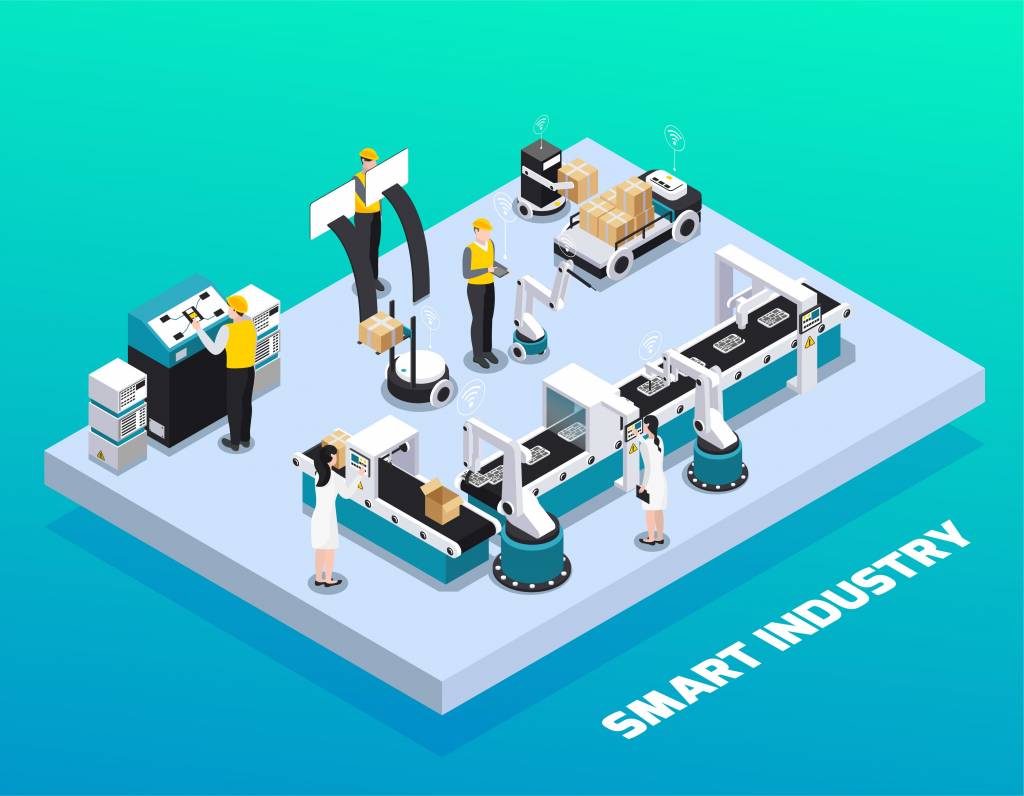
Entering the Industry 4.0 era, the key challenge for entrepreneurs is the transition from “traditional manufacturing” to “Smart Factory.” This article from Solwer presents the concept of integrating Lean Automation, Digital Transformation (DX), and the Internet of Things (IoT) to build a production model that is both efficient and sustainable.

From Intuition to Data Visibility

In traditional manufacturing, identifying bottlenecks or losses often relied on the “Gemba Walk”—where experts observe the factory floor in person. This approach has limitations regarding time and potential human bias. By implementing DX and IoT, systems transition to a process called “Visualizing the Invisible”:
1. Real-time Visualization of Loss

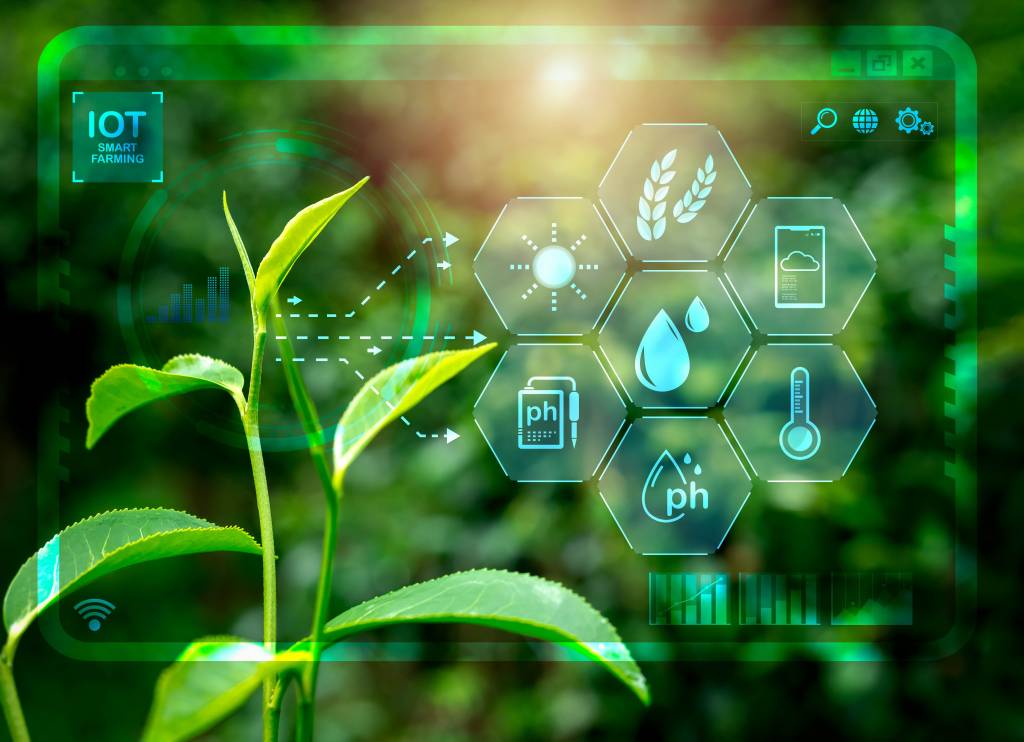
IoT sensors installed across production lines collect machine status and output data, sending it directly to a central dashboard.

  • Benefit: Instead of waiting for end-of-shift reports, which reflect past events, you can observe “micro-stoppages”—the 1-2 minute disruptions often overlooked in manual logs. This real-time data empowers supervisors to take immediate action.

2. Deep Insights into Machine Behavior

This is the most critical shift. IoT allows us to perceive data beyond human sensing limits.

  • Vibration & Heat Analysis: Accelerometers and temperature sensors can detect micro-degree changes, signaling bearing wear or motor overload.
  • Power Quality: Measuring electrical current flow can identify process anomalies. For example, as a cutting tool dulls, the machine requires more power. IoT translates these “machine sounds” into actionable insights.

3.Predictive & Proactive Detection

Using “Anomaly Detection,” a core component of DX, the system analyzes data patterns to identify irregularities before they escalate.

  • From Reactive to Proactive: Instead of the “run-to-failure” model (repairing only after breakdown), the Smart Factory system alerts you at the first sign of abnormality. This reduces the risk of unplanned downtime by nearly 100% and extends asset lifecycles.
Digital transformation

Starting DX (Digital Transformation) for Beginners: "Data That Matters"

Collecting all available data does not automatically create business value. One of the most common misconceptions for organizations starting their DX journey is the belief that “the more data, the better.” Many factories invest in sensors, IoT platforms, or cloud systems, attempting to capture everything from day one, leading to:

  • Data Overload
  • Unused Dashboards
  • Overly complex systems
  • Failure to convert data into business results

    In technical terms, this is “Collecting Data Without Business Context.”

DX Should Not Start with Big Data

It should start with “Data That Matters.” Successful factories usually begin with a few specific data types that are:

  • Immediately actionable
  • Linked to real-world floor problems
  • And can be clearly converted into business value

Key Principles for Starting DX

Before installing sensors or IoT systems, ask:

  • Does this data help reduce costs?
  • Does it help improve productivity?
  • Does it help reduce downtime?
  • And can this data be converted into financial gain?

Priority Data to Collect First

For factories new to DX, experts recommend starting with basic data that yields quick results and is easy to measure for ROI.

1. Machine Status (Run / Stop / Idle)

The most essential data for any factory. It tracks whether the machine is producing (Run), stopped (Stop), or powered on but not producing (Idle). While basic, this is the core of production efficiency analysis.

  • Why it matters: It helps calculate OEE (Overall Equipment Effectiveness), identify true downtime, and analyze machine stoppage patterns.
  • Business Impact: Reduces revenue loss from unplanned stops, increases machine availability, and improves maintenance planning accuracy.

2. Cycle Time

Cycle time—the time taken to produce one unit—is crucial because most factories lose capacity not due to a lack of machinery, but due to unbalanced flow.

  • Why it matters: It identifies bottlenecks, waiting times, performance differences between shifts, and unusually slow processes.
  • Business Impact: Increases capacity without buying new machines, reduces waiting time, and improves production balancing.

3. Energy Consumption

In the Smart Factory era, it is vital to know not just how much energy is used, but where and why it is being consumed.

  • Why it matters: It identifies inefficient machines, energy loss periods, idle loss, and standby consumption.
  • Business Impact: Directly reduces electricity costs, allows for energy cost analysis per unit, and prepares the organization for ESG and carbon reporting.

Towards Sustainability with "Green IoT"

In the modern industrial world, goals like productivity and profit are no longer sufficient. Manufacturers face pressures from rising energy costs, environmental regulations, Carbon Tax, CBAM, and ESG expectations. The goal must shift from “producing as much as possible” to “producing with maximum efficiency while using minimal resources.” This is where Green IoT plays a key role.

Towards Sustainability with "Green IoT"

In the modern industrial world, goals like productivity and profit are no longer sufficient. Manufacturers face pressures from rising energy costs, environmental regulations, Carbon Tax, CBAM, and ESG expectations. The goal must shift from “producing as much as possible” to “producing with maximum efficiency while using minimal resources.” This is where Green IoT plays a key role.

What is Green IoT?

Green IoT utilizes IoT sensors, data analytics, automation, AI, and energy monitoring to:

  • Reduce energy usage
  • Lower carbon emissions
  • Minimize resource waste
  • Improve environmental performance

1. Eliminate Standby Loss

One of the largest sources of energy waste is “standby loss”—machines consuming power while not producing. Smart Factory systems can detect real-time operational status, analyze idle time, and trigger automatic responses like Auto Sleep Mode or Smart HVAC control, resulting in significant electricity savings.

2. Automatic Leak Detection

Leaks in compressed air, cooling water, or steam systems are often hidden and overlooked. Using flow meters, pressure sensors, and ultrasonic leak detection, systems can monitor pressure anomalies in real-time, allowing factories to reduce compressed air energy usage by 10-30% without major investments.

3. Energy KPI per Product

Measuring the energy cost per unit—kWh per product, Carbon per product—is essential for future competitiveness. As Carbon Border Adjustment Mechanism (CBAM) regulations increase, the ability to report accurate carbon footprints will determine market access.

Looking Ahead: AI-Driven Manufacturing

The industrial sector is transitioning from monitoring to an AI-driven era where data is used to predict, autonomously decide, and self-optimize.

1. Predict Waste & Predict Failure

AI learns patterns from vibration, temperature, energy, and cycle time to predict downtimes and defects before they occur, shifting from reactive to predictive maintenance.

2.OEE Improvement via AI-Assisted Optimization

AI can analyze bottlenecks, automatically adjust production speeds, and re-route production to maintain high flow and quality, keeping OEE at its peak.

3. Autonomous Process Optimization

Future systems will not just alert users to problems; they will analyze data, test new parameters, and automatically select the most energy-efficient settings that maintain quality, effectively reducing energy per unit.

4. Lean & Clean from the Prototype Stage

Using Digital Twins and virtual simulation, organizations can model production flows, energy consumption, and carbon emissions before building the actual line, reducing CapEx and waste from day one.

5. Changing Competition

Future competition will not be about “who produces the most,” but “who produces the most with the least energy and resources.” Organizations without sustainability data or those with high energy footprints will be at a competitive disadvantage.

Conclusion

Smart Factory integration is no longer an option but a foundational structure for Industry 4.0. It is about creating a system that visualizes loss in real-time and enables data-driven decision-making.

For organizations seeking to deepen their understanding of Lean & Clean Smart Factories and energy reduction through Data-Driven Manufacturing, you can download the E-Book from Solwer to learn about case studies, tools, and practical applications.

Leave a comment